

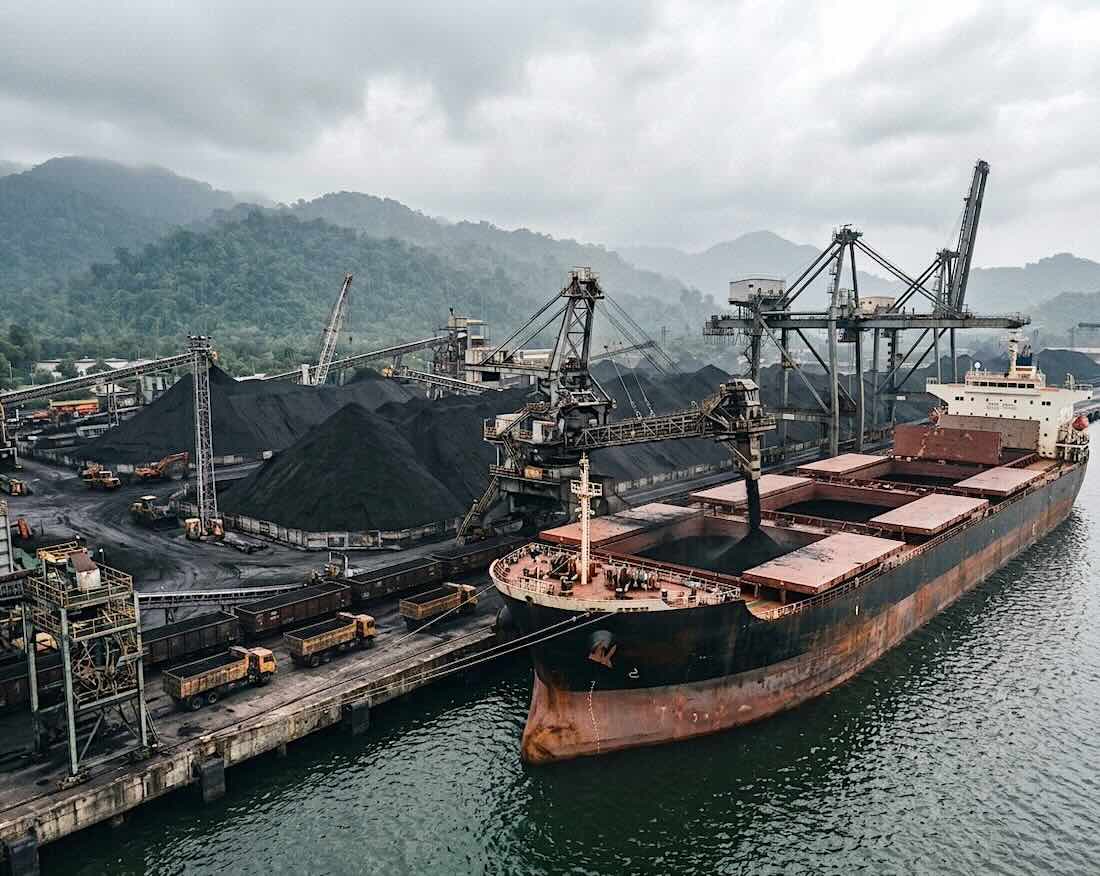
Much of the global energy conversation still pretends that coal is on its way out. The pretense may be comforting to activists, investors, and policymakers who built their plans for a transition to so-called clean energy that never acknowledged the limitations of solar and wind power. [some emphasis, links added]
However, the newest work by Lars Schernikau and Portia Roberts, The Coal Reality That Western Policy Ignores, shows the opposite: Coal is not being replaced, but rather being layered on top of everything else.
The data reveal that global coal consumption is accelerating. The appetite for reliable, baseload power drove usage to an unprecedented high of approximately 9 billion tons in 2025.
This volume represents more coal mined and burned than at any time in history, far outstripping levels recorded before the West’s multi-trillion-dollar net zero campaign.
In 2025, China alone brought online 80 gigawatts of new coal-fired generation – enough to power 60 million households.
The Iran war’s disruption to supplies of liquefied natural gas has further boosted demand for coal as nations switched fuels for electricity production. This strategic imperative drove a massive surge in coal shipments across the Pacific.
Bangladesh, Japan, the Philippines, South Korea, Taiwan, and Vietnam immediately increased coal imports to avoid blackouts, with China and India leading the shift.
While alternative energy installations have expanded, coal utilization has grown right alongside them. The two asset classes are not locked in a zero-sum game but are growing to meet a voracious demand for electricity and industrial production.
The world’s proven reserves of coal – deposits that can be extracted economically utilizing current technologies – possess an operational runway of 130 to 150 years at today’s consumption rates.
Taking into account remaining geological reserves, Earth holds enough anthracite and bituminous coal for many hundreds of years.
Schernikau and Roberts also remind readers that coal sits at the center of food security. Roughly a quarter of the world depends on fertilizers made with coal-derived ammonia. Abandon coal too quickly, and you risk not only blackouts but also food production and, ultimately, lives.
This return to dependable solid fuels coincides with a long-overdue collapse of the pseudoscientific architecture that sustained for decades the narrative of a fabricated climate crisis.
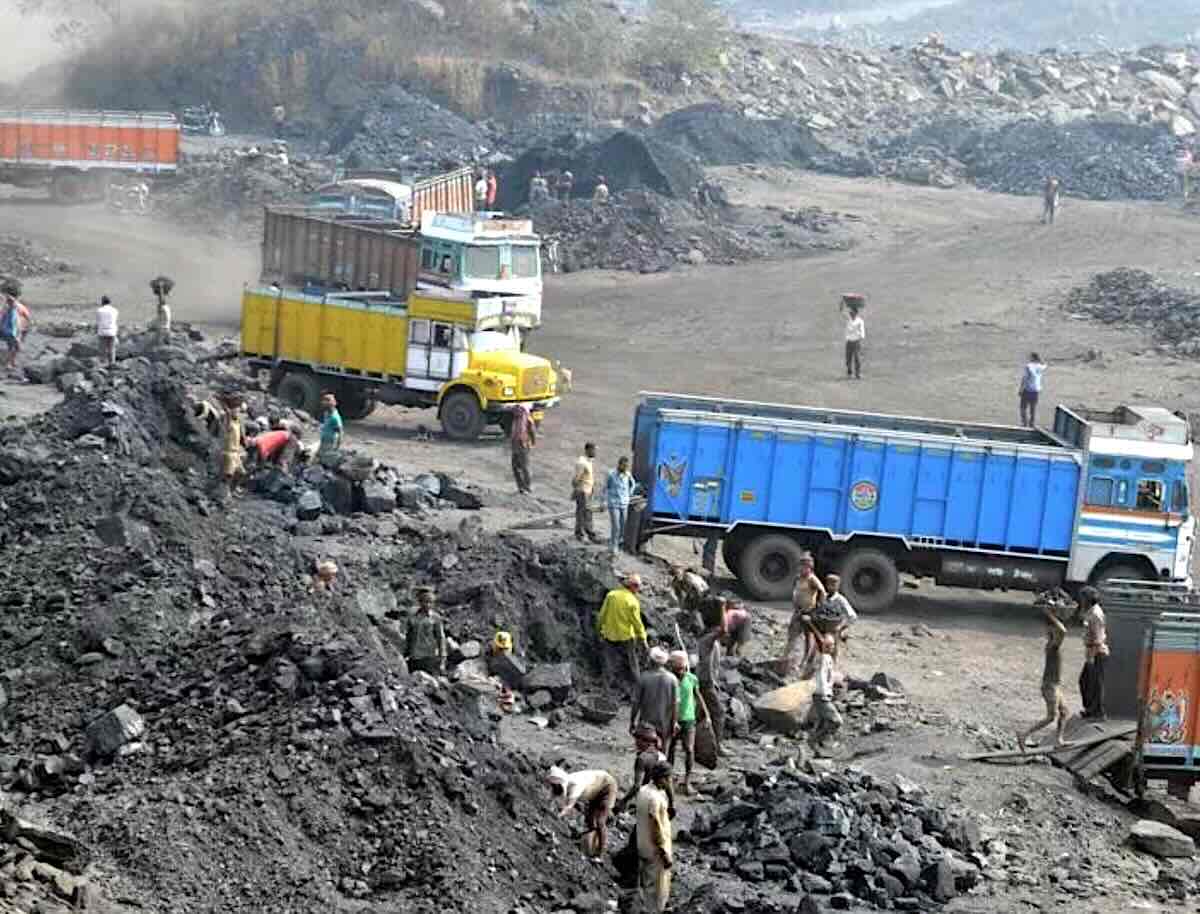
For years, scenarios of extreme weather based on flawed climate models were systematically weaponized by activist bureaucrats to demand the dismantling of a hydrocarbon economy.
The most prominent of these fabrications was Representative Concentration Pathway 8.5 (RCP 8.5), alongside its companion RCP 7.0. The international modeling consensus has formally abandoned these deceptions, confirming that RCP 8.5 is officially “implausible.”
The apocalyptic scenarios used to terrorize the public and coerce financial markets were never rooted in real-world data.
The institutional framework designed to starve conventional energy sectors of investment capital is unraveling before our eyes. The corporate campaign for Environmental, Social, and Governance (ESG) compliance has had a severe global retrenchment.
Global investment consortia, led by institutional giants like BlackRock, have quietly dismantled or significantly downgraded strict climate mandates. International banking groups and global aviation associations have canceled or rolled back aggressive net-zero timelines.
The fantasy of a rapid, painless transition away from hydrocarbons has run headfirst into physical laws and geopolitical necessities.
Weather-dependent power technologies cannot run steel mills, operate heavy manufacturing, or secure domestic food supplies. The climate establishment can keep writing obituaries for coal, but the market keeps resurrecting it because there is no substitute for its scale, reliability, and availability.
Stop pretending that every rise in renewables implies a fall in coal. Stop using extreme scenarios to frighten the public into accepting policy mandates that do not fit the needs of growing economies.
And stop telling developing nations that they must sacrifice dependable power in the name of predictive models that no longer command trust.
Read more at CO2 Coalition



Burn coal in Australia or die in the dark!
https://rafechampion.substack.com/p/burn-coal-in-australia-or-die-in-5dc
Wind and solar ain’t real capacity!
https://rafechampion.substack.com/p/wind-and-solar-aint-capacity
According to energy think tank Ember Energy, coal-fired electricity generation rose 13% between 2015 and 2025.
However, total power demand surged by 32% over the same period. As a result, coal’s share of global electricity dropped from 39% in 2015 down to 33% in 2025, falling behind total renewable generation for the first time in modern history
Throughout the late 20th and early 21st centuries, global coal power routinely grew at double or triple that speed to fuel economic expansion.
However, data compiled by energy think tank Ember and the Pew Research Center shows that coal’s share of the global electricity mix peaked at 41% in 2013 and fell to 33% in 2025
Is there an issue with understanding the article? The author is talking about what’s happening compared to recent history like the last couple of years, not comparing it to over a decade ago. It’s not that hard to see that after years of countries being browbeaten to stop burning coal because it is somehow causing global temperatures to increase. But now these countries are realizing that reliable generation of electricity is much more important than a maybe decades later the earth’s temperature may rise less than 1 degree Celsius.
Driven by explosive growth in solar and wind, renewable energy hit a 34% share of global electricity generation, pushing coal out of the top spot for the first time in modern history in 2025. an important fact the article ignores
Both of which are totally useless for real energy production. Just ignorant politicians who are too gullible to believe (or are they being enriched by the deployment) that wind and solar are the future. They are not and never will be due to their unreliability to produce electricity when it’s needed (or produce more than the grid can handle when the stars are in alignment–aka the wind and sun produce an overabundance of electricity).
DEMAND INQUIRIES INTO THE FAILURE OF DUE DILIGENCE
Nations are being lost for want of due dilegence on the reliability of the wind and solar supply. Britain and Germany are going down, and Australia is circling the drain.
https://rafechampion.substack.com/p/criminal-failure-of-due-diligence
WELCOME WARMING!
Throughout recorded history, the warm times have been the good times. In the coldest times, life was truly nasty, brutish and short. The warming since the Little Ice Age has been unequivocally beneficial and we are still a degree or three short of the Roman Warm Period which was the best time for humans and other living things.
If we are lucky, we might get two or three degrees of warming before we turn the corner and start the downhill run into the next cold spell.
Fear of warming (and plant food) is driving the greatest misallocation of resources ever,
Read a good book ot two and stop worrying about warming and CO2!
https://www.amazon.com.au/s?k=Rafe+Champion&i=stripbooks&crid=GZ66NWUYZ193&sprefix=rafe+champion%2Cstripbooks%2C262&ref=nb_sb_noss
ENOUGH OFTHE DECARBONISATION CULT AND THE PLANT FOOD DERANGEMENT SYNDROME
https://rafechampion.substack.com/p/enough-of-the-decarbonisation-cult
I’m merely reporting the facts about wind and solar energy. Not saying that I am in favor of either one. You will probably be disappointed to find out that I’m 100% against solar, wind and batteries used for electric grids. They are a waste of money, along with net zero, a green dream that has no hope of succeeding