The Trump administration has secured another win in its campaign to end climate-related policies and regulations on the international stage, forcing the World Bank to retire its ambitious climate financing goals. [some emphasis, links added]
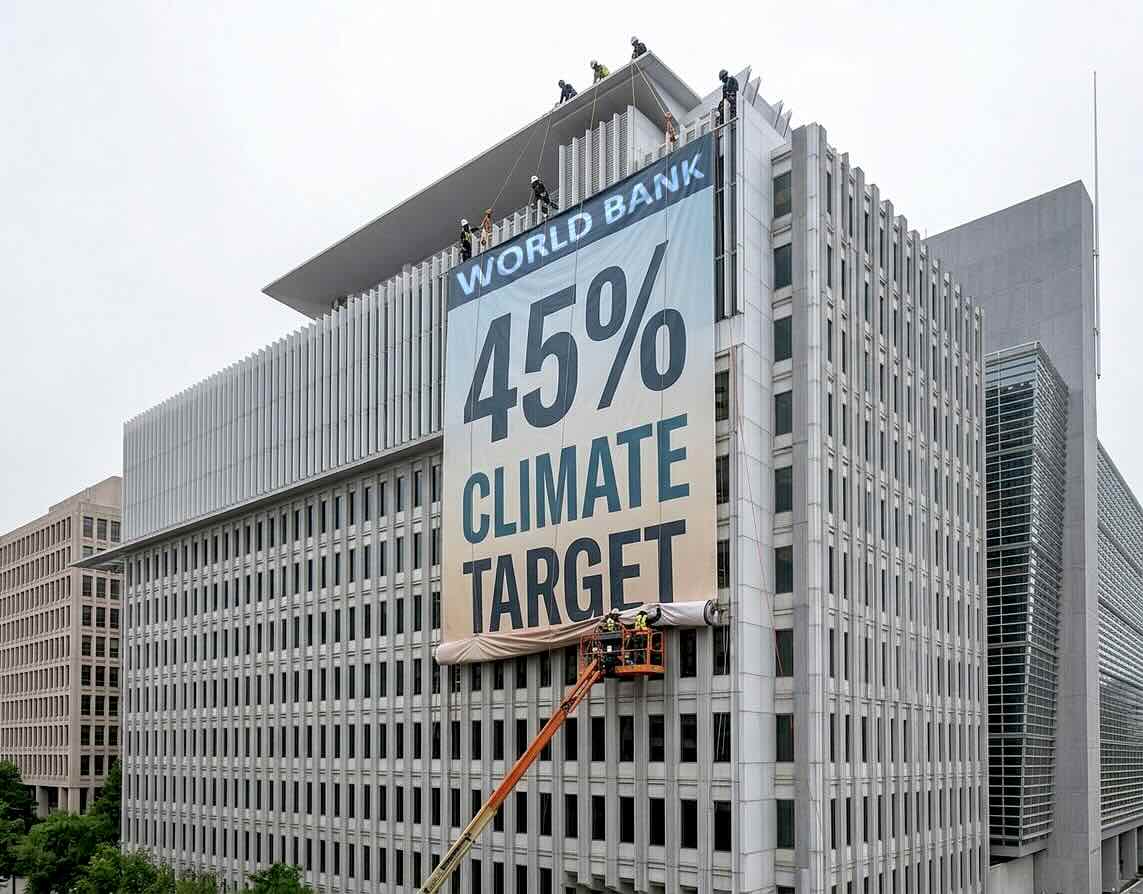
The World Bank Group announced on Monday that it was retiring its goal of dedicating 45% of its funding to climate-related projects, aiming to reduce greenhouse gas emissions from the largest emitters while supporting developing countries in need of resources to adapt to climate change.
The Trump administration has for months pushed against this climate funding target, with Treasury Secretary Scott Bessent claiming that it “breeds inefficiency, distorts economic decision-making, and moves the Bank away from its core mission.”
The United States is the largest shareholder of the World Bank, controlling about 16% of voting power. This allows the U.S. to single-handedly block any decision that requires a supermajority, such as extending or replacing the climate financing targets.
The bank is preserving its broader climate-related framework, known as the Climate Change Action Plan, and will have an independent group [evaluate] it.
“We will retire the 45% climate co-benefits target,” the bank said, saying that the goals have done “significant work in answering client demand and needs.”
The 45% target was set following the United Nations’ climate conference in 2023 [COP28], pledging to fund climate-related projects by 2025. The bank exceeded that goal last year, committing 48% of its financing, or around $39.2 billion.
The funding target was set to expire on June 30.
While the bank is ditching specific financing targets for climate-related projects, it plans to continue tracking and reporting two scorecard indicators for projects, including greenhouse gas emissions and beneficiaries with enhanced resilience to climate risks.
More than a dozen of the bank’s executive directors have called for the financing goals to remain in place, as it would leave the World Bank without any specific guidelines for aligning its lending with the broader goals of the 2016 Paris Agreement.
…snip…
The Trump administration had been pressuring the World Bank to also resume financing for fossil fuel-related projects, such as natural gas. The bank officially ended all financing for gas extraction projects in 2019 with a few exceptions.
Read rest at Washington Examiner