

For years, ASEAN (Association of Southeast Asian Nations) governments faced pressure from international lenders and climate forums to announce fossil fuel phase-outs, moratoriums on new plants, and heavy bets on wind and solar. [some emphasis, links added]
Indonesia and Vietnam secured [funding earmarked for decarbonization] from the Just Energy Transition Partnership. Leaders spoke of achieving net-zero goals by 2050 and phasing out coal by 2040 or earlier.
Natural gas was regarded as the transition fuel, a necessary evil to get to “renewable” nirvana when wind and solar would be “scaled up.”
Then the confident rhetoric met reality.
A sudden oil and natural gas crunch, triggered by the expanding conflict in the Middle East, has laid bare the fatal flaws of net zero. Gas markets tightened almost overnight. Shipping routes through the Strait of Hormuz got risky. LNG (liquefied natural gas) prices surged. Supply chains stumbled.
Now, ASEAN governments are quietly tearing up climate pledges and returning to oil, coal, and natural gas – the only affordable energy sources that guarantee uninterrupted power for their growing economies.
Fossil fuels are back in style.
Since mid-April, reports have described a clear pattern across Asia: LNG disruption, higher spot prices, and a scramble for dispatchable power, which coal can still provide more cheaply and immediately than many alternatives.
ASEAN does not run on slogans; factories, ports, malls, and homes don’t operate on wishful thinking. When gas prices spike and supplies tighten, utilities turn to coal because it is available and familiar.
Take Indonesia. On May 2, Energy Minister Bahlil Lahadalia made it plain:
“I decided, let coal continue for now. This is about survival mode and efficiency. We must not sacrifice our people with high electricity prices.”
Indonesia has approved higher quotas for coal production and delayed earlier phase-out schedules for coal plants like Cirebon-1. Plans to eliminate coal use sit on a shelf. Affordable power for 280 million people comes first.
In Vietnam, coal-fired generation jumped 44% month-over-month in March, reaching 16 terawatt-hours. That accounted for 56% of the country’s total power output—the highest share. Utilities negotiated additional coal imports to fill gaps left by expensive and scarce liquefied natural gas.
Thailand took direct action. Authorities restarted two decommissioned units at the Mae Moh coal-fired power plant and ordered existing coal-fired stations to operate at maximum capacity.
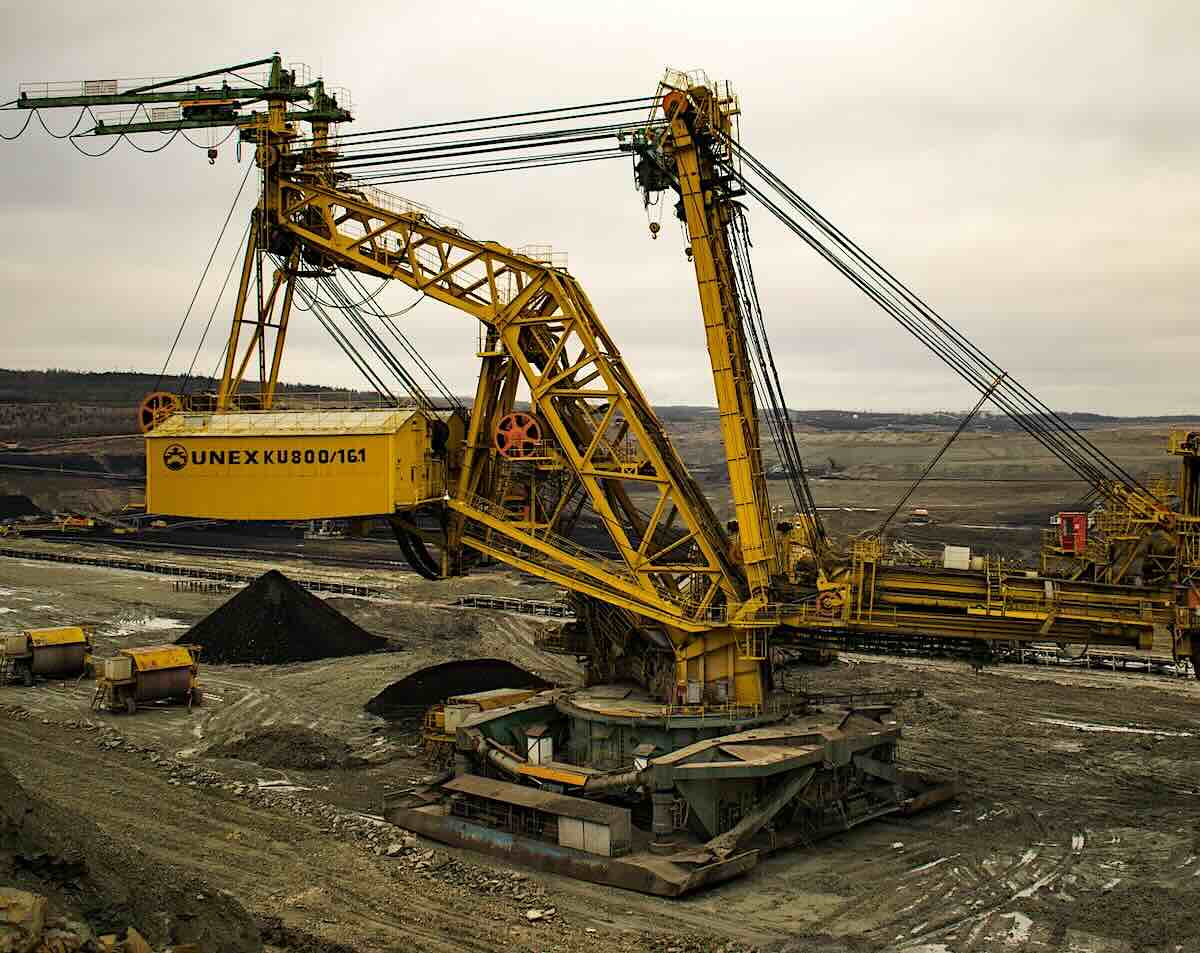
The 600 megawatts added helped stabilize electricity costs after gas prices soared.
The Philippines declared a national energy emergency in late March after gasoline prices more than doubled. Coal already supplies about 60% of electricity.
The government ramped up output from coal plants and considered easing restrictions on new capacity. Energy Secretary Raphael Lotilla signaled that temporary reliance on coal would prevent shortages.
In Myanmar, long queues at petrol stations [compete with] black-market prices, which are more than double official rates, and have slowed rice harvesting and hiked food prices.
While the immediate crisis hits diesel and gasoline, power utilities lean harder on domestic coal reserves to avoid broader blackouts. Malaysia and others eye similar steps to protect industrial output and rural economies.
The speed at which ASEAN abandoned its net-zero pledges should tell you everything you need to know about the viability of the climate agenda.
The moment a real threat emerged, the green energy transition was exposed as a luxury belief held by those who have never had to worry about where their next kilowatt was coming from.
Developing economies are rejecting the climate dogma that demands their perpetual impoverishment. They are actively expanding coal mining operations to ensure a steady supply of domestic fuel. This protects their economies from the wild price swings of imported LNG.
The irony is obvious. Governments that spent years promising rapid decarbonization are now leaning on coal to keep lights on and electricity prices tolerable.
The middle class applauds because the alternative is higher bills, fuel rationing, and lost jobs. For ordinary households, energy security is not a subject for a debate club. It is the difference between affordable electricity and unnecessary, even dangerous interruptions of modern living.
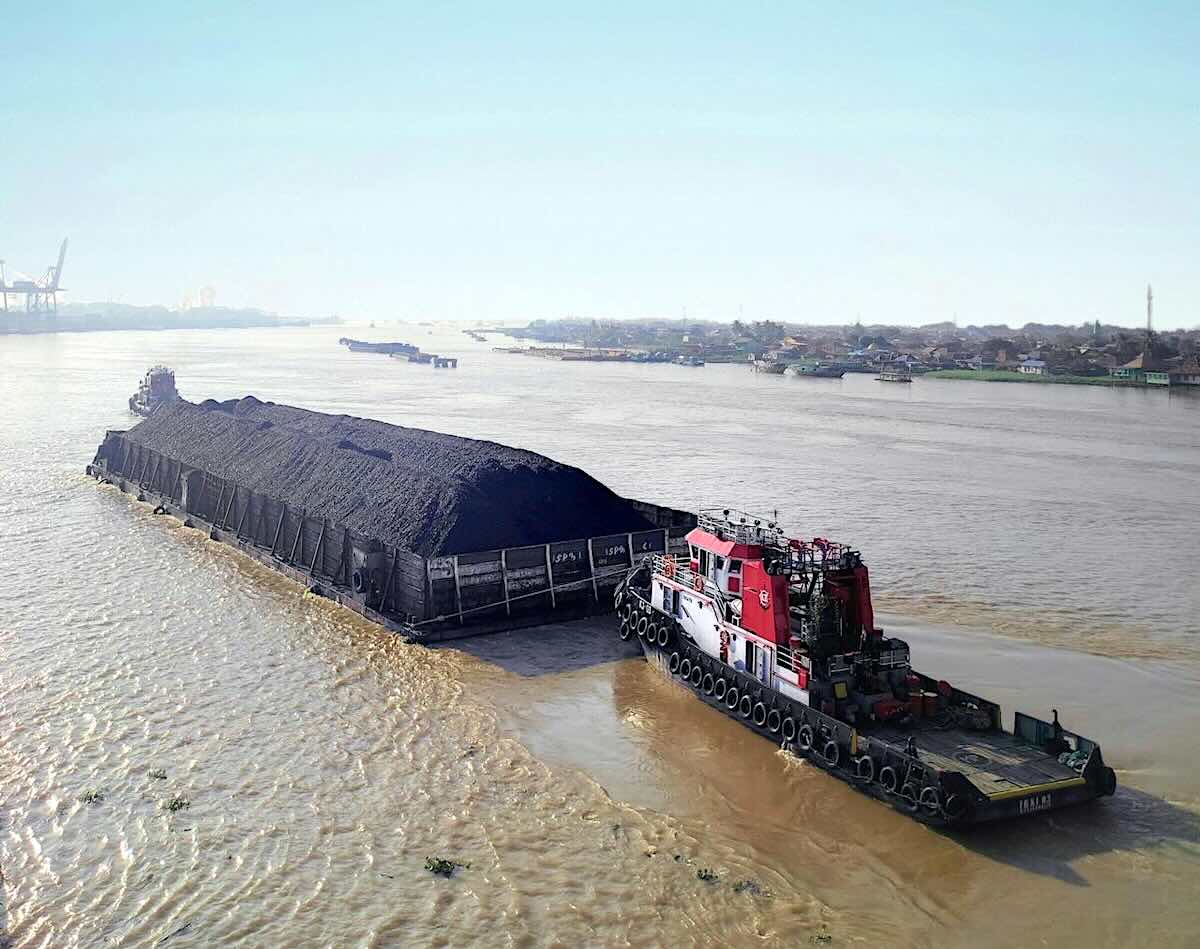
Top: Indonesian coal barge on the Musi River. Photo by Tri Efendi via Pexels.
Read more at CO2 Coalition





All these developing nations need to do is look at what is happening in the UK and western Europe to see what “decarbonizing” their power generation does to their economies and utility prices. And do the opposite which is what they are doing.