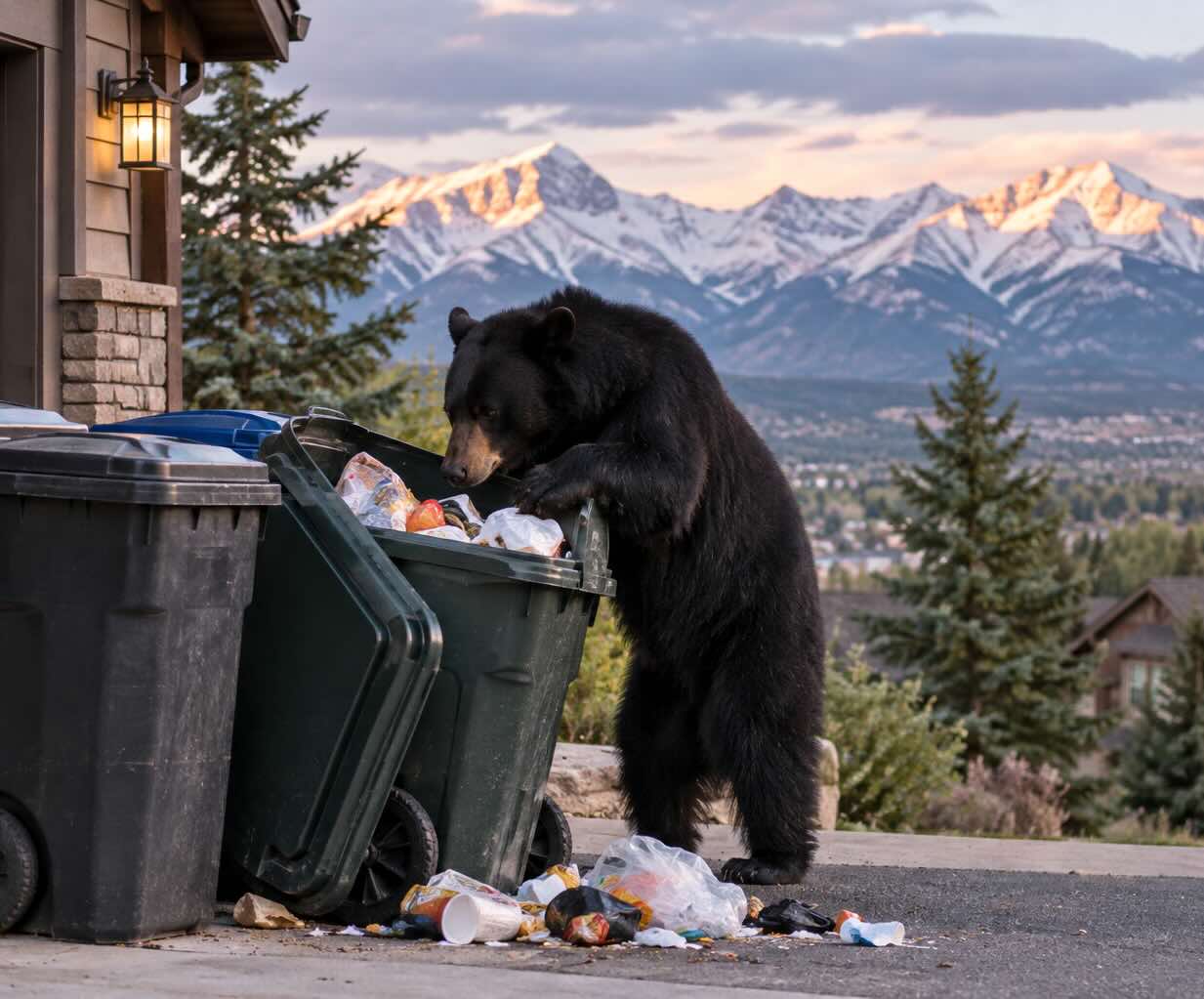
A recent Fortune Magazine article, “Climate change pushes thirsty bears into Coloradans’ cars — one honked a horn for hours from 3 am onward,” from The Associated Press (AP), blames climate change for bears breaking into cars and homes in Colorado. [some emphasis, links added]
This is false. Bears have gone in search of food and water amid a drought in Colorado; that much is true, but it’s not because of long-term climate change.
“Millions of people live in or near bear habitat across the Rockies, where widespread drought has reduced supplies of nuts, berries and plants that bears eat,” the article explains, “prompting the animals to roam far and wide for food.”
This is nothing unusual, except perhaps in the number of bears that had dangerous contact with humans this year.
The article blames climate change for the increase in bear encounters, but one of the most glaring issues with this AP piece is that it never once addressed the fact that there are significantly more bears than ever.
It is difficult to get exact counts of black bears, largely because they live in dense wooded areas; generally, the Colorado bear population is believed to have increased in recent decades.
This is even more true in parts of the country where bears were nearly eliminated, like in Pennsylvania, which has more than four times as many bears today as it did in the 1970s.
In addition to more bears, more people are living in what were once remote areas, so bear encounters will naturally increase.
Food availability draws bears even when their natural sources are not suppressed. As land is developed, expect more contact with the wild animals that used to live and forage there.
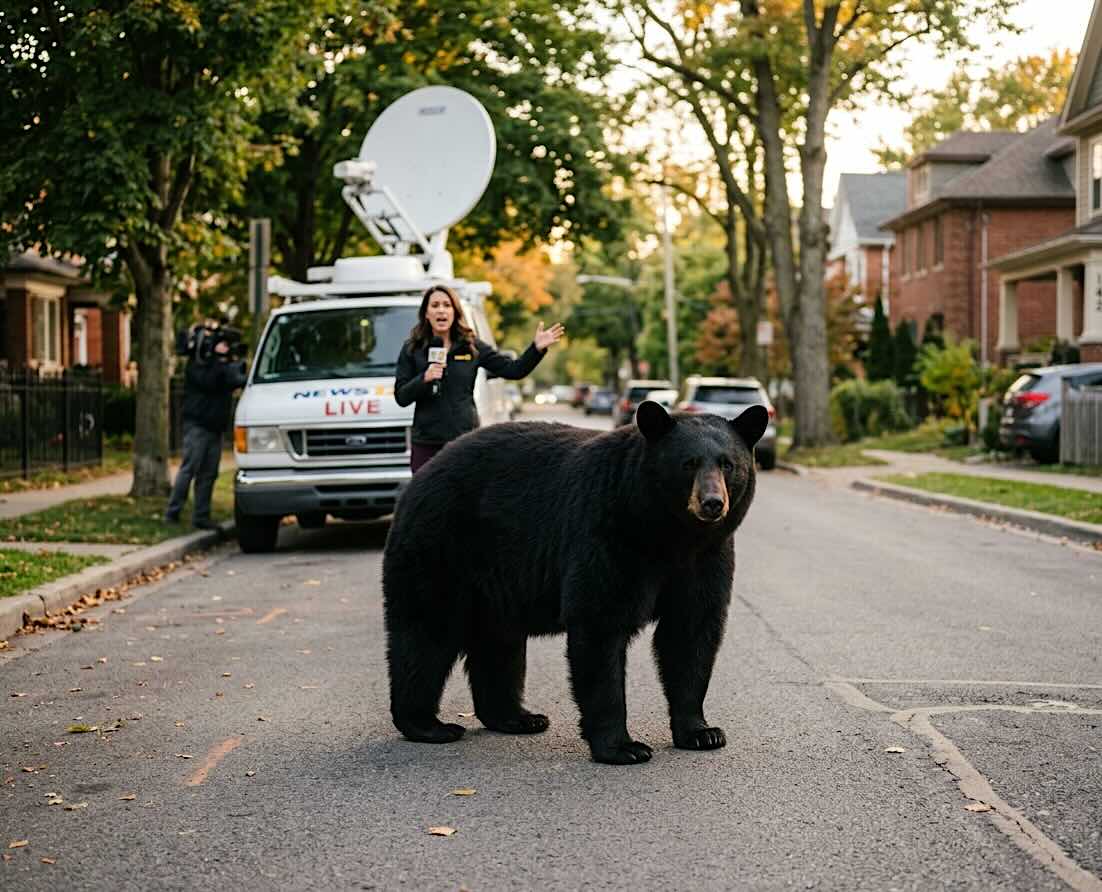
Other food sources, such as garbage bins, likely disturb the natural pattern of population booms and busts.
When drought suppresses berry and acorn production in late summer, bears normally have a harder time putting on weight for winter, and many would die off. Now they have other food sources, which sustain a larger population and exacerbate human-bear contact.
On climate change and drought, the article says the Upper Colorado River Basin had a snowpack this year that was “the worst on record,” and that “[s]cientists say human-caused global warming made that far more likely.”
“Made that far more likely” is a couching statement, because the data show that despite more than 100 years of warming, Colorado has not seen an increase in drought.
Snowpack indeed hit a record low this year, which spelled trouble for water supplies since snowmelt feeds the Colorado River and its tributaries.
And long-term data show that, in general, snow water equivalent in Colorado was higher in the 1970s than it is today, but it has been fairly stable since the late ‘90s and early 2000s.
For precipitation-related drought, data show no worsening drought trends; in fact, preindustrial Colorado experienced much longer and more severe droughts.
The article notes that “vast areas of bear habitat” have been “scorched by record wildfires,” but it’s unclear whether they mean Colorado.
Colorado’s wildfires are not becoming more frequent or extreme, despite big fires in 2020 and 2018, which were outliers from a generally flat trend according to the available data from the National Interagency Fire Coordination Center.
Interestingly, most of the article wasn’t about climate change, even though climate change got top billing in the headline. Most of the article discussed bear-human interactions, which certainly make for interesting news but don’t indicate human-caused climate change.
By republishing the piece, the Associated Press and, by extension, Fortune Magazine seem more interested in promoting a catastrophe narrative about climate change than in reporting the story accurately, regardless of nuance.
The climate comments in the article were completely unnecessary to tell the story of increased human-bear encounters and only serve to advance the outlet’s political climate slant.
Read more at Climate Realism