Fortune magazine published an article claiming that declining sardine fisheries and increased prices are due to climate change and the war in Iran. This is false. [some emphasis, links added]
While warmer waters can drive sardine schools into cooler areas, as has always been the case, their stocks naturally fluctuate year to year.
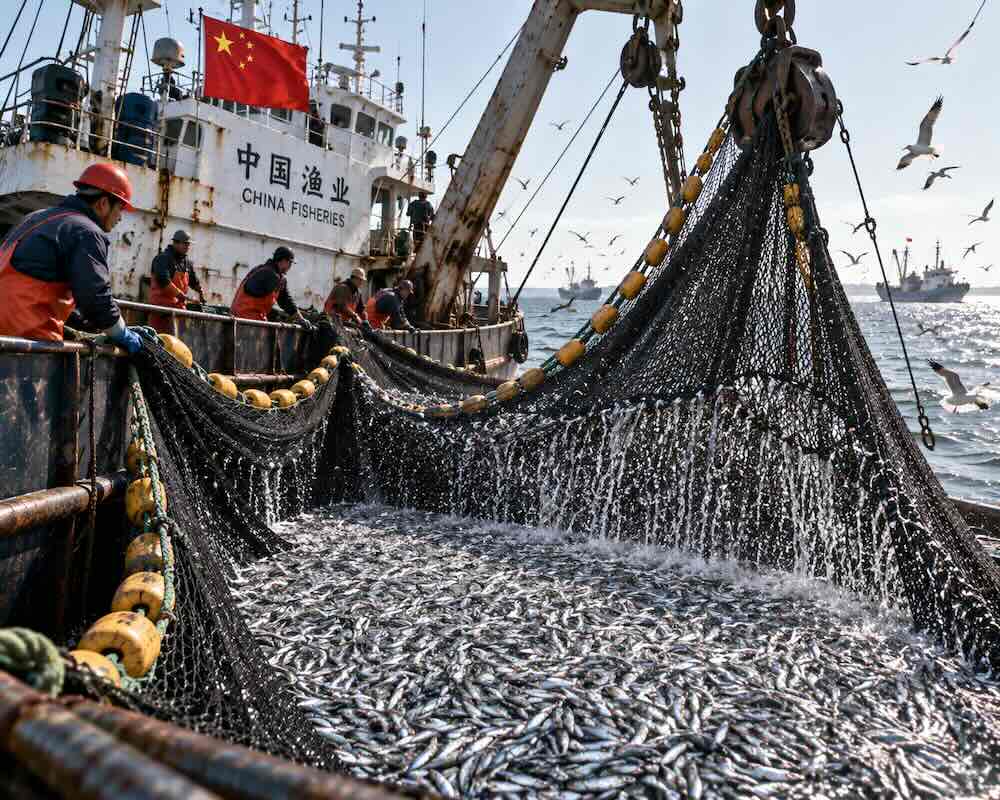
Recent ocean warming is also a multifaceted phenomenon, and not just due to climate change. Overfishing, especially by countries that do not care about regulations and preserving fish stocks, like China, is also putting much greater pressure on fish stocks.
The article, “‘We’re facing a double whammy’: America’s hottest tinned fish snack is shrinking by nearly half thanks to climate change and war in Iran,” puts climate change front and center as the reason sardine catches are dropping in recent years in places like Morocco.
Rashid Sumaila from the University of British Columbia, an ocean fisheries researcher whom Fortune interviewed, said that sardines “are very sensitive to climate change” and “follow the temperature.”
Blaming this on climate change is a bit silly, but the media has primed the public to associate climate change with supposed long-term human-caused global warming. “Climate change” does not affect ocean temperatures the same everywhere and hasn’t caused consistent above-average yearly sea temperatures either.
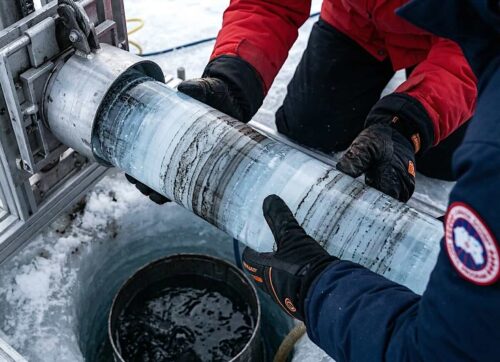
As explained in Climate at a Glance: Ocean Temperatures: Global ocean temperature has indeed, on average, increased since the early part of the 20th century by just about 1.3°F, but multi-year patterns like ENSO drive ocean temperatures higher and lower depending on the phase, and even longer patterns like the Atlantic Multidecadal Oscillation (AMO) can shift temperatures over several decades.
These are rather natural patterns—not human-caused. Other shorter-term natural factors contributing to higher ocean temperatures and possibly impacting sardine stocks and movements include recent large El Niño cycles.
In addition, evidence strongly suggests that regulations limiting emissions from ships have also played a role in recent ocean warming by letting more sunlight through to warm seawater — a human impact, but not one tied to the long-term increase in human greenhouse gas emissions.
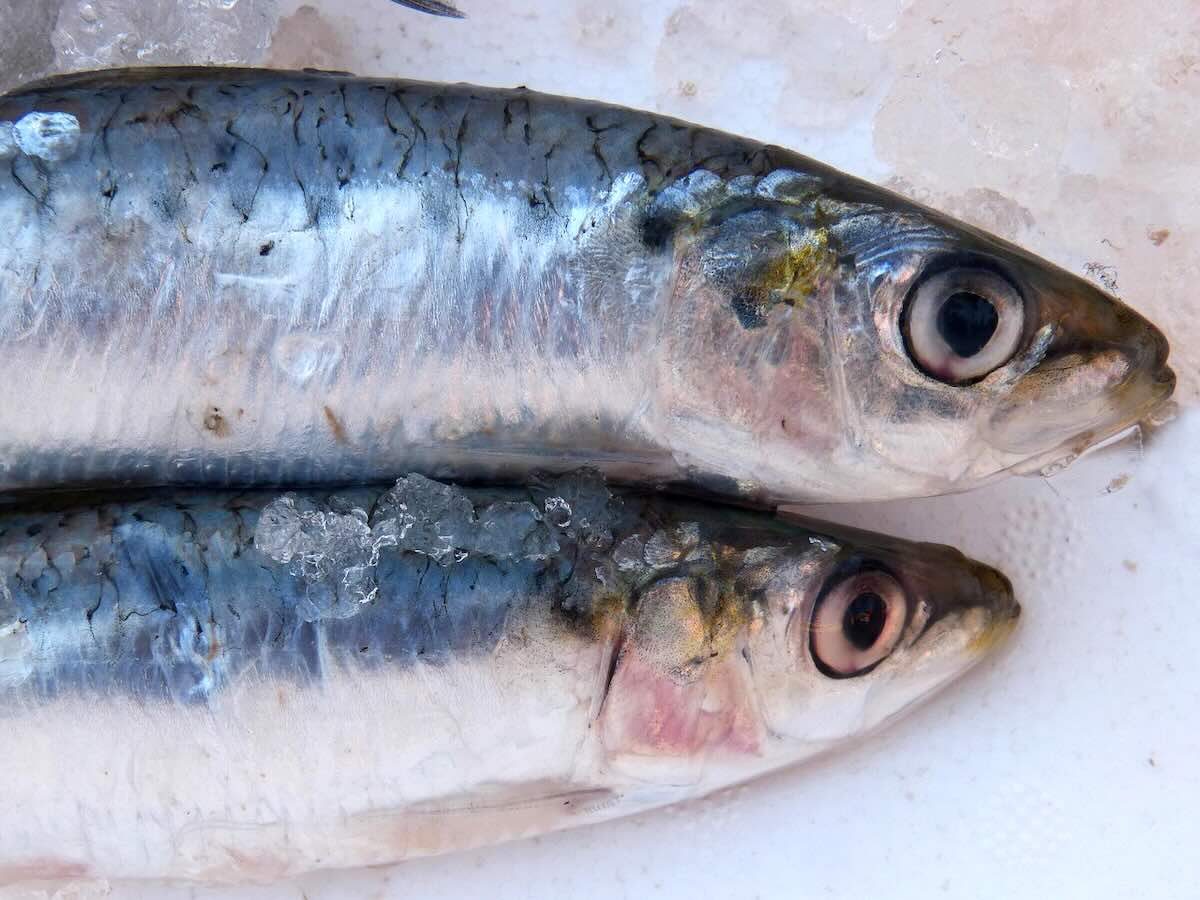
That sardines move with changing water temperatures doesn’t mean the fish are dying out; rather, they’re moving out of fishing zones in some countries. This is normal for sardines.
Like birds, they migrate seasonally to stay in their preferred temperature range, moving north in summer and south again when temperatures cool.
The article acknowledges that the fish are moving, not dying out, when they explain higher prices for sardines are exacerbated by higher fuel costs due to the war with Iran; fishermen “now have to travel farther to find [sardines], exactly as fuel becomes more expensive and the yield becomes less guaranteed.”
Fortune also correctly points out that “Government fuel subsidies make the underlying problem worse,” because “if you pay for fuel, that just makes people fish more than they would.”
Despite Portugal, Spain, and Morocco placing catch limits on sardines to protect fish stocks, illegal fishermen do not care.
A 2015 study found that “overfishing exacerbates natural boom-and-bust cycles of the fish,” making it impossible for them to recover as quickly as they otherwise would.
The State of the World Fisheries and Aquaculture report from the United Nations’ Food and Agriculture Organization says that sardines, “which represented about 33 percent of the total landings, were classified as overfished in 2023.”
It also explained that catches of Pacific sardines “are strongly influenced by interannual environmental variability, particularly El Niño Southern Oscillation (ENSO) events.”
Fortune’s article only briefly mentions illegal international overfishing, failing to name the country most responsible: China.
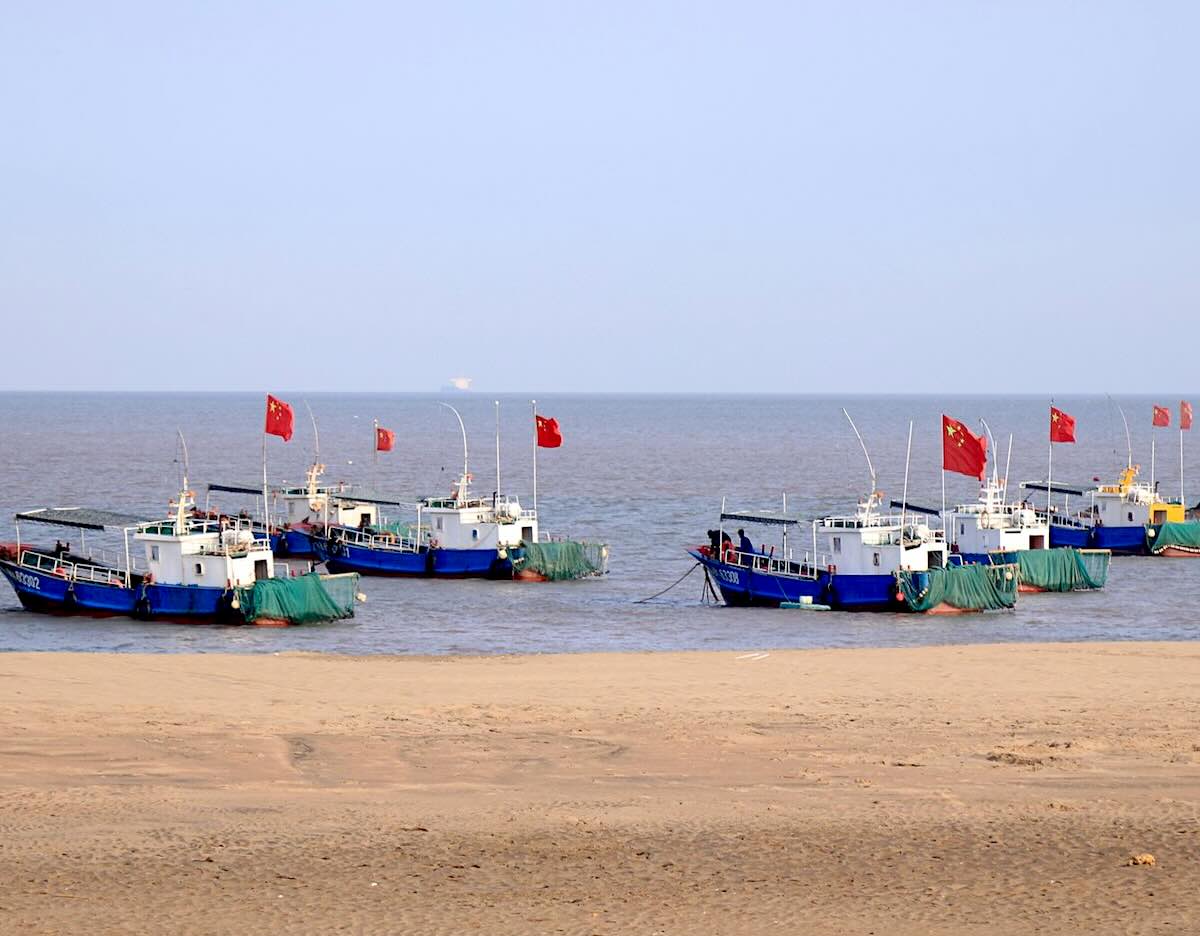
China’s distant-water fishing fleet is the largest in the world, with more than 3,000 vessels that fish aggressively just outside other countries’ territorial waters. The Chinese government subsidizes these fishing fleets.
The Chinese communist party’s response to countries complaining about declining fish stocks and China’s role in it is to blame climate change.
A recent Wall Street Journal (WSJ) article reports that near Ghana, “Chinese ships have exhausted small sardine-like fish vital to coastal communities, according to local officials and conservationists.”
In the same article, the Chinese Foreign Ministry deflects blame for its overharvest of squid by saying, “[T]he Chinese fleet isn’t responsible for the decrease in squid catches, pointing out that Peru’s own government has attributed the decline to changing ocean temperatures.”
Articles like the one in Fortune give China more cover for their activities.
The market for canned sardines is growing, especially as health fads focusing on high protein and healthy fats have become more popular. Their populations are dictated by natural boom-and-bust cycles that all small fish species demonstrate.
Like other oceangoing, migrating fish stocks, they are subject to and often harmed by overfishing, especially during those bust cycles.
Water temperature affects where the fish are, and unfortunately, when shallow, coastal waters warm, sardines may be driven into international waters that are famously overfished by the Chinese deep-ocean commercial fishing fleet.
There is no justification for Fortune to attribute the up-and-down cycles and recent declines in sardine stocks to climate change, downplaying natural cycles, and, more importantly, giving China’s illicit and uncontrolled fishing activity a pass in the process.
Read more at Climate Realism