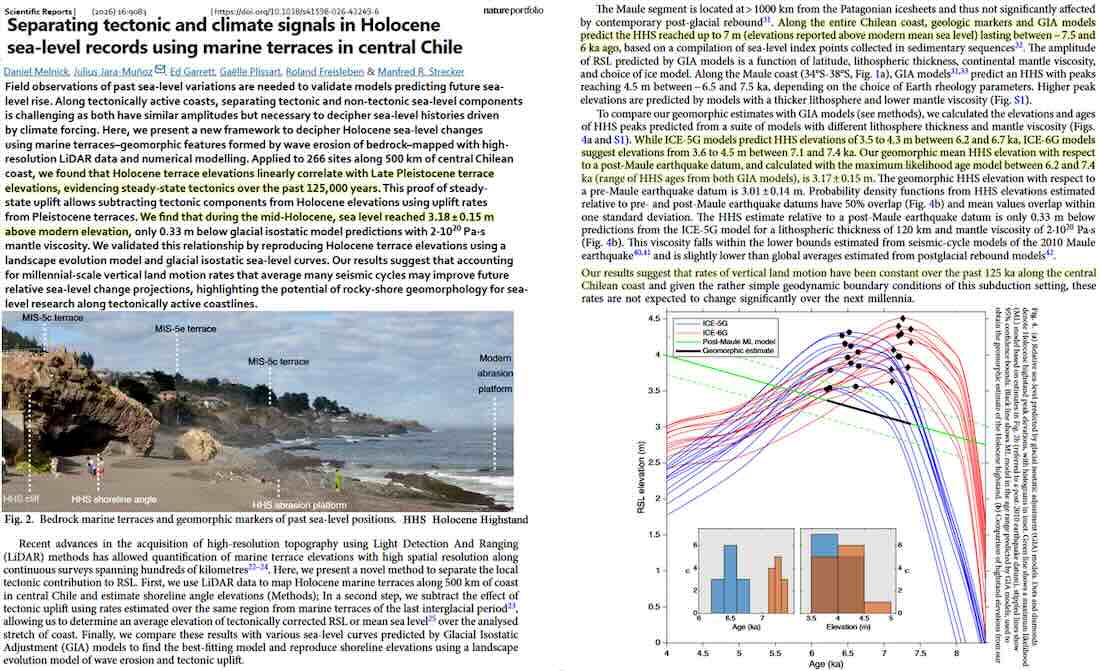
In a new study, scientists assess that they can now clearly separate “tectonic and climate signals in Holocene sea-level records” by precisely identifying patterns of long-term vertical land motion near coastal regions. [some emphasis, links added]
Meters-higher relative sea levels during the Middle Holocene have often been attributed to land uplift or glacioisostatic rebound — the gradual rising of the Earth’s crust as the weight of glaciers and ice sheets melted away.
This tectonic attribution precluded explanations that sea-level highstands may have been linked to a warmer climate, resulting in smaller ice sheets and glaciers.
In the study, we learn that tectonic signals along 500 km of the Chilean coast have been largely constant over the last 125,000 years. In other words, there has been negligible vertical land motion in this region.
As reliable indicators embedded in marine terraces clearly show that Holocene relative sea levels were 3.2 m higher than today along this Chilean coast from about 7,000 to 5,500 years ago, it can be determined that these highstands were a consequence of water loading or a warmer climate.
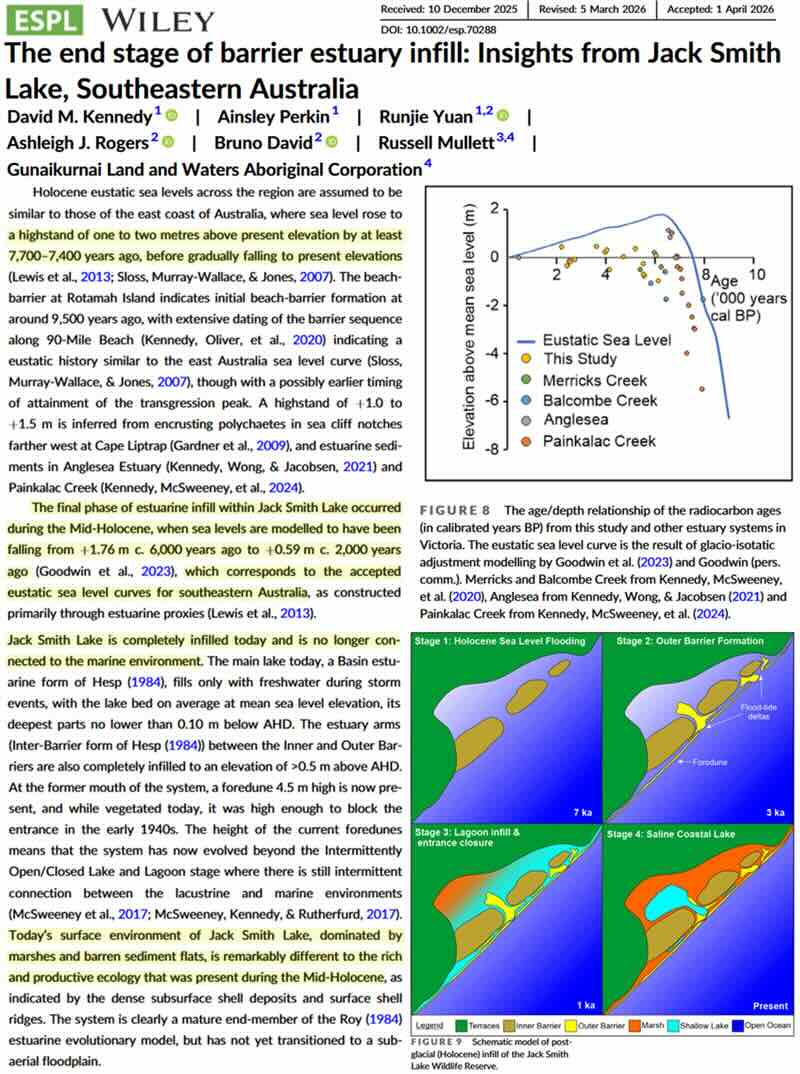
Another new study highlights sea levels 1.76 m higher along the coasts of southeastern Australia 6,000 years ago, falling to 0.59 m higher than today by 2,000 years ago.
Australia is another region that would not be heavily impacted by glacioisostatic rebound, which again affirms these higher sea levels were linked to eustatic (climate-related) processes.
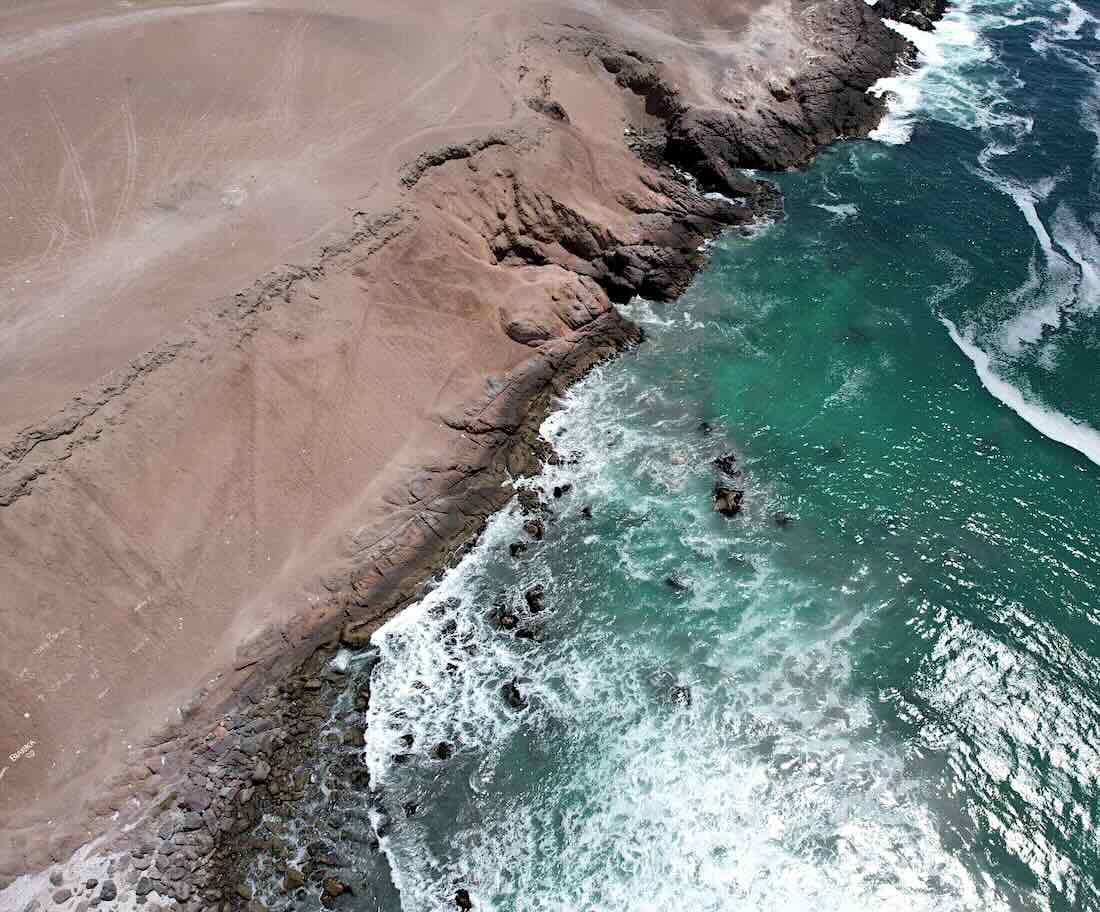
Top: Aerial shot of a rocky coastline meeting ocean waves on the Chilean coast. Photo by Luis Garces via Pexels
Read more at No Tricks Zone