An Energy Institute report reveals a Europe clinging to the pretense of leading an “energy transition” as the continent declines under the weight of climate policies whose quixotically utopian objectives are negated elsewhere by fossil fuel-supported economic growth. [some emphasis, links added]
Data from the 75th edition of the annual “Statistical Review of World Energy” will surprise only those ignoring the facts: The world continues to depend massively on fossil fuels.
Solar and wind technologies, while expanding, still lag ever-rising energy demand, which last year reached a record 600 exajoules. (That’s 600 quintillion joules, where a joule is equal to the work necessary to create one watt of power for one second.)
Of total primary energy consumption, 86% came from fossil fuels – oil at 33.5%; coal at 27.6%; and natural gas at 25.1%. Solar and wind accounted for just 3%, which the European Commission heavily promoted over much-demonized hydrocarbons.
From 2015-2025, the first decade of the Paris Agreement on climate change, global energy consumption rose more than 14%, with sharply contrasting dynamics. European Union use declined by 1% annually, while consumption in the Asia-Pacific region grew by 2.6%.
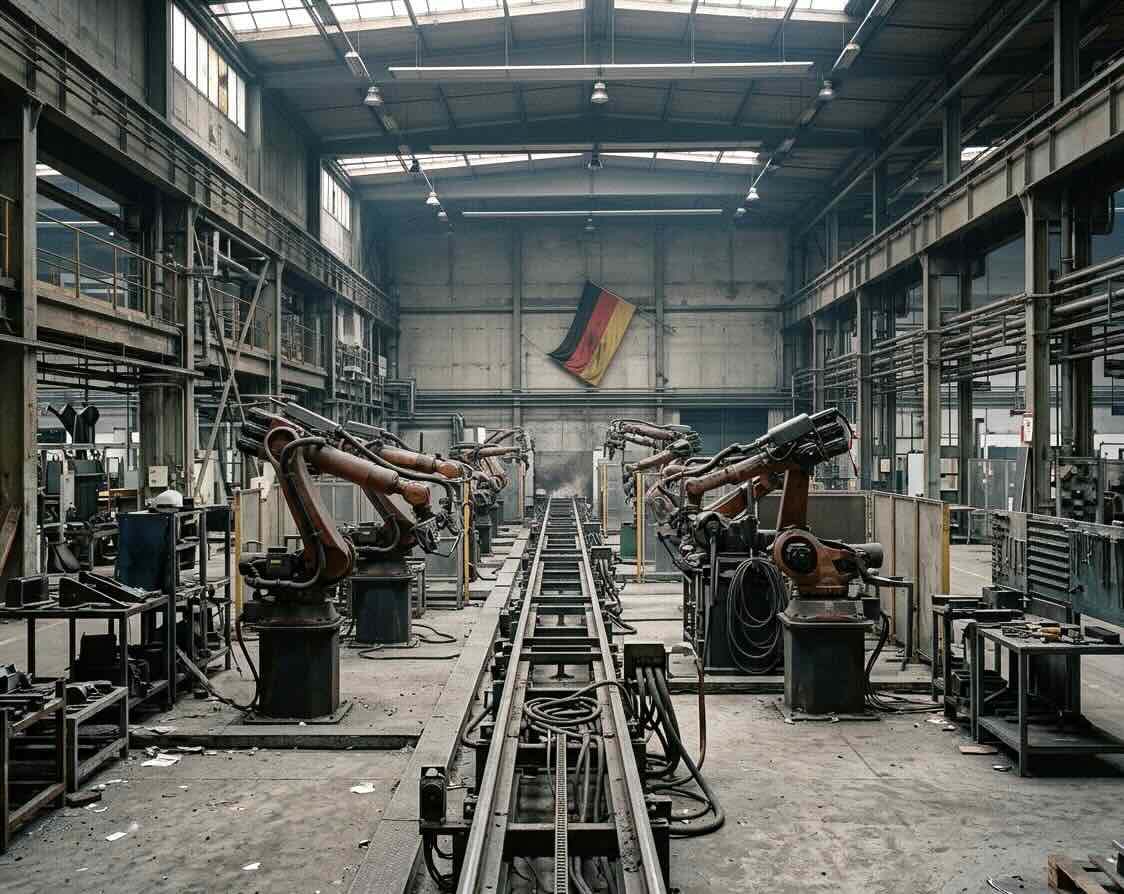
Europe’s decreasing energy use is no triumph of ecological heroics but rather the outcome of the EU Green Deal’s assault on competitiveness, and its predictable deindustrialization and economic decline.
For example, in 2025, growth in the gross domestic product of some European countries was close to zero, while the U.S. was 2% under the hydrocarbon-friendly Trump administration. Some coal-burning Asians experienced multiples of that.
Noting this EU tragedy, the European Central Bank’s 2024 report on competitiveness blamed not climate policies directly but instead high energy prices the policies had wrought – a sleight of hand accommodating EU politics.
Meanwhile, fossil fuel growth outside the EU continues to outpace solar and wind by a wide margin.
Contrary to Brussels’ narrative that the gap between so-called renewable technologies and fossil fuels is narrowing, the reality, in absolute terms, is a widening chasm.
The EU has indeed integrated renewables into its grid, doing so at the cost of affordability and reliability. However, this leadership remains purely symbolic because the rest of the world is accelerating its use of fossil fuels far faster than its use of renewables.
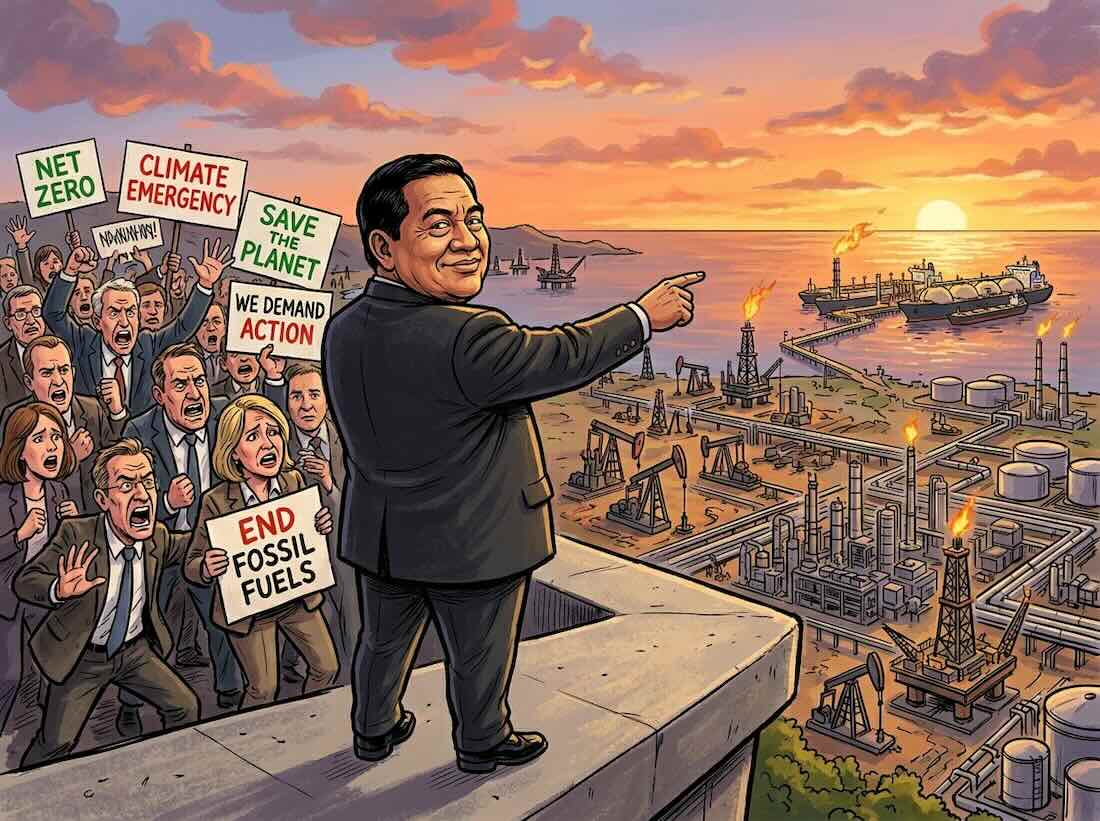
In places like Asia, the expansion of hydrocarbon use, concurrent with impressive economic growth, was more than coincidental. It was necessary, and China and India led the way.
Early this century, the impetus for Chinese growth was the lesson of the Soviet Union’s collapse, which resulted from deplorable living standards and a dim outlook for the future. The Chinese Communist Party recognized growth was needed to maintain its legitimacy and that abundant, cheap energy – mainly coal – would be the critical ingredient.
This prosperity is good news to everybody but those obsessed with carbon dioxide (CO2) emissions, the bogeyman of the climate industrial complex.
In its drive to cut emissions by 90% by 2040, the EU has reduced emissions by 554 million metric tons under the Paris Agreement as the rest of the world increased its own by 3 billion metric tons – fivefold in the opposite direction.
The European effort is incinerated almost instantly by the combustion of fossil fuels elsewhere to support increased economic activity.
Most damning for 30 years of climate diplomacy is that global industrial emissions have risen by 67% since the adoption of the United Nations Framework Convention on Climate Change (UNFCCC) in 1992, according to the 2026 “Statistical Review of World Energy.”
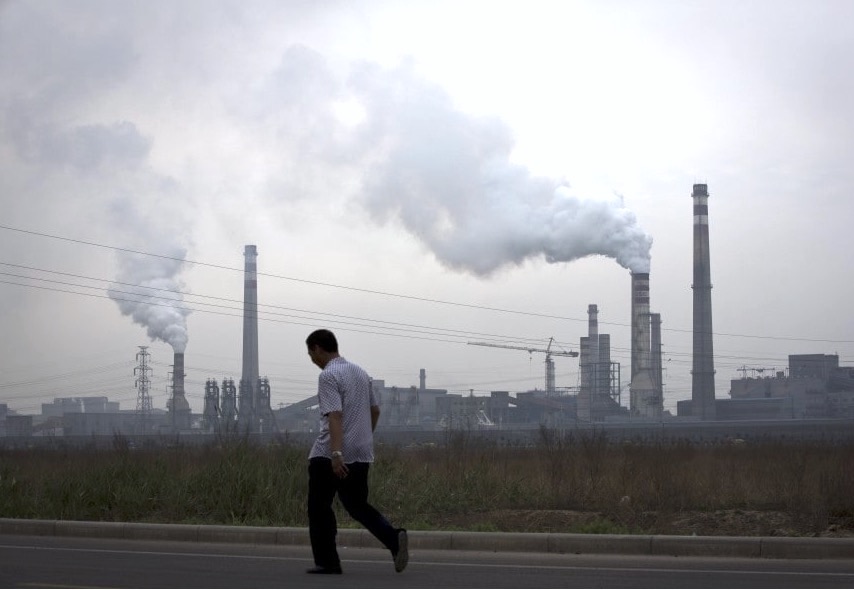
While the EU cut its emissions over that period by about 30%, the effort, achieved at enormous cost and through deindustrialization, has been erased by others’ pursuit of human flourishing.
Compared with previous editions, the language of the latest Energy Institute analysis is markedly more favorable to renewables.
One explanation may be the publisher’s collaboration with Ember, a self-identified “energy think tank that aims to accelerate the clean energy transition with data and policy.” The Energy Institute itself seeks “to accelerate a just, secure, and low-carbon energy transition.”
Obviously, our skepticism about the EU’s green agenda is based on the data presented in the report, not from the publishers’ interpretation of it. We sought to contrast the pathetic product of EU energy policy with the promising economic rise of others.
Despite the omnipresent rhetoric of the energy transition, the evidence must be faced: The dominance of fossil fuels in the world energy system persists even as wind and solar, expensive and intermittent, expand.
The world is undergoing an energy addition, not a transition, as new technologies supplement the growing capacity of legacy sources.
The great majority of mankind aspires to greater prosperity, which requires abundant and inexpensive energy – what the EU employed before adopting ecological dogma. The clash between climate ambitions and economic aspirations will only intensify.
Read more at The Center Square