Each month, Pennsylvania’s six million electricity customers—all facing rising electricity bills—are charged for services of questionable value, without knowing how much they are paying and, for most, that the charge even exists. [some emphasis, links added]
Enacted by the legislature in 2004, Pennsylvania’s Alternative Energy Portfolio Standards Act (AEPS) requires that 18% of an electricity seller’s offering consists of energy from sources like wind, solar, biomass, and other technologies deemed worthy of special treatment.
In 2025, this program, now in its third decade, cost customers more than $700 million. Although the amount each customer pays isn’t entirely visible on an electric bill, a household using 800 kilowatt-hours per month pays a compliance cost of $4.11 every month at 0.514 cents per kilowatt-hour.
While the charge for residential customers appears modest, AEPS’s lifetime cost of more than $3 billion amounts to a giant handout to special interests at the cost of everyday ratepayers.
Political opposition to AEPS, despite its significant burden, is sparse.
This contrasts sharply with another less costly subsidy for green energy: the Regional Greenhouse Gas Initiative (RGGI). Costing $3.81 per megawatt-hour (MWh) in 2025, RGGI’s tax on carbon dioxide (CO2) emissions from fossil fuel plants costs less than AEPS’s $5.14 per megawatt-hour.
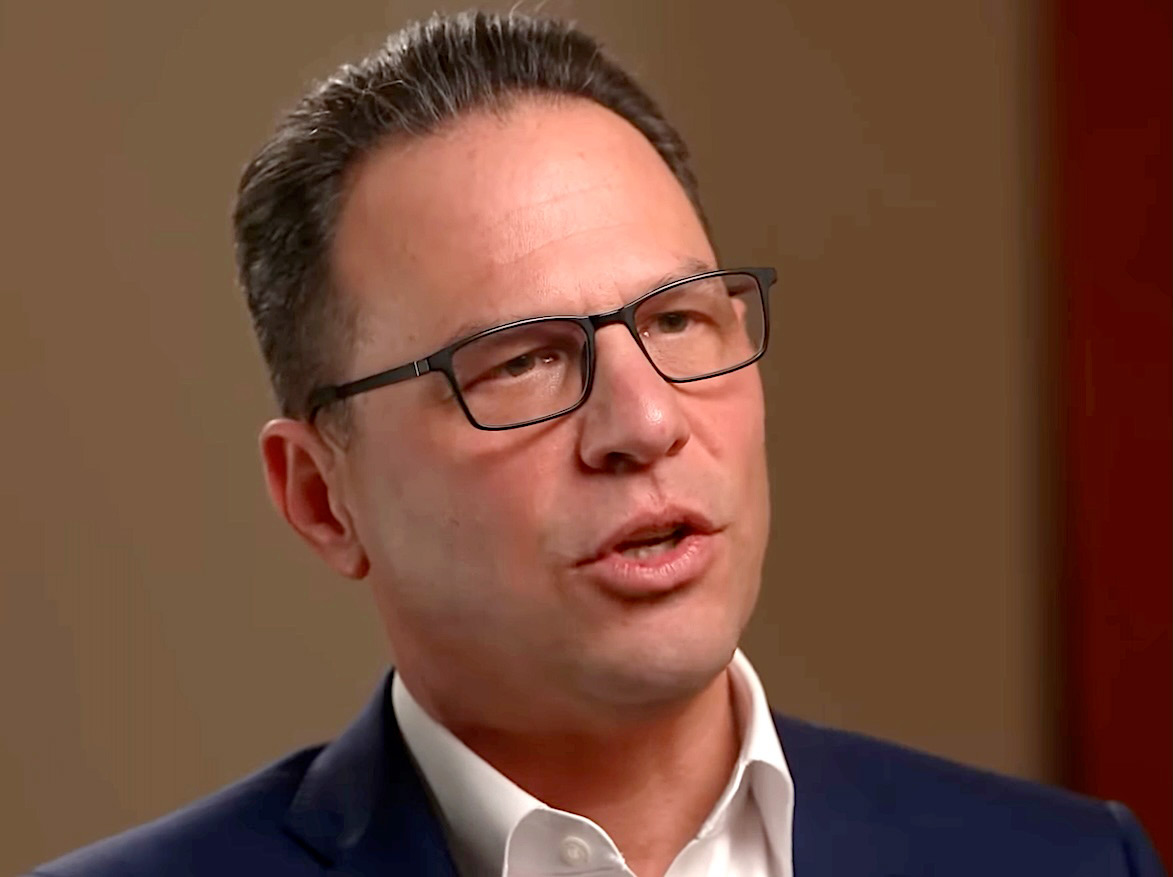
Nevertheless, Pennsylvania withdrew from RGGI’s multi-state program last fall when Gov. Josh Shapiro agreed to drop his legal battle in RGGI’s favor as part of the state budget deal.
The original 2019 proposal to join RGGI rightly drew a firestorm of objections from Republican legislators and business and labor constituencies.
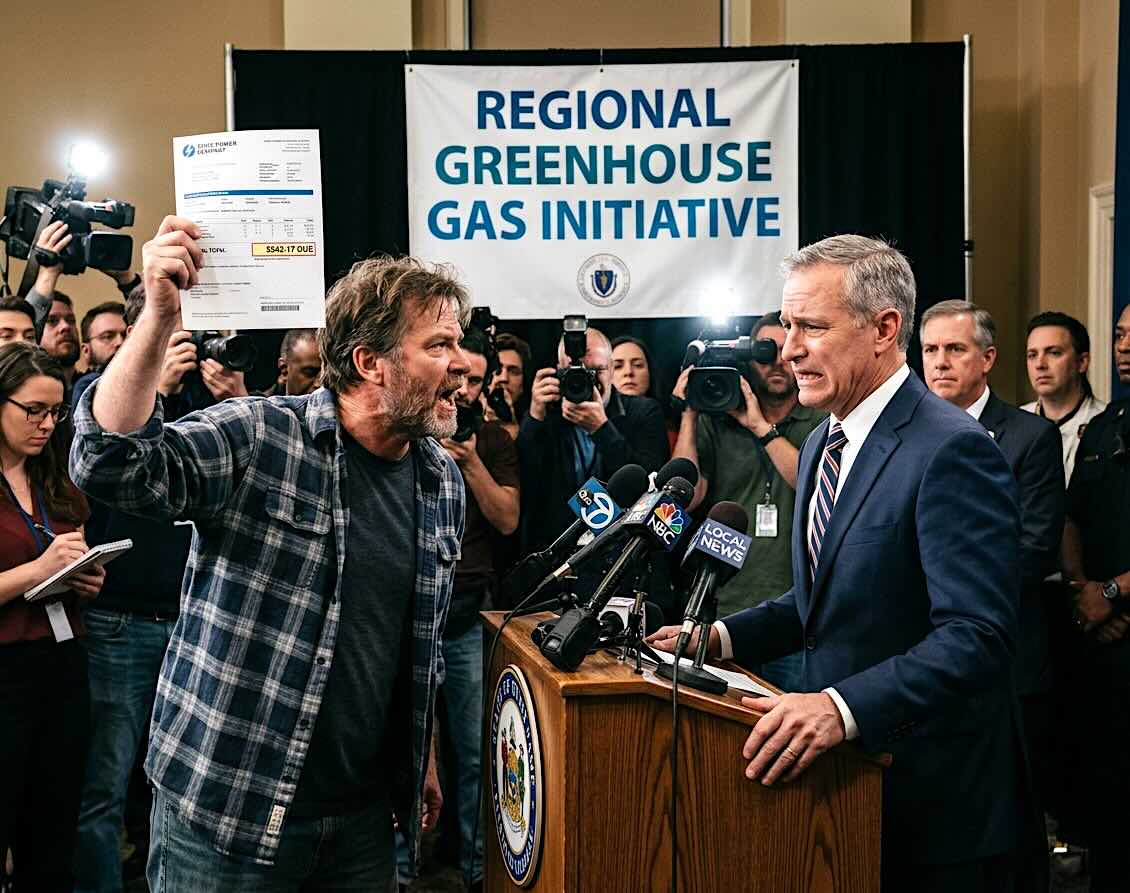
Six years of litigation over RGGI cratered investment in reliable energy, leading to today’s environment of energy scarcity and rising rates.
So, what accounts for the survival of one costly subsidy and the death of another?
AEPS came to fruition when prices were relatively stable, while Pennsylvania’s RGGI tax debate came at a time of skyrocketing prices and dwindling supply.
In today’s environment, a new tax (i.e., RGGI) is far more vulnerable compared to one already established and codified (i.e., AEPS). Plus, a divided legislature typically results in a stalemate on any new legislation, so old laws remain on the books—and the status quo marches on.
But AEPS is worth revisiting as the program’s costs are ballooning. Pennsylvanians’ electricity prices rose more in the last five and a half years than in the previous 16 combined.
AEPS not only drives up your electricity bill but also fails to advance these politically preferred technologies beyond a tiny part of the energy mix.
Pennsylvania’s share of electricity generation from renewables between 2013 and 2024 has plateaued at 4%—mainly because these sources require costly backup power and consume large amounts of land and materials to produce relatively little energy.
For these reasons—and more—leaders of the “green” movement are backing away from “decarbonization” commitments that have led to economic decline in places like Germany. Yet, Pennsylvania’s bureaucracy persists like an automaton ignorant of machine learning.
The latest AEPS annual report continues to promote “the realization of a net zero electricity grid by 2050.”
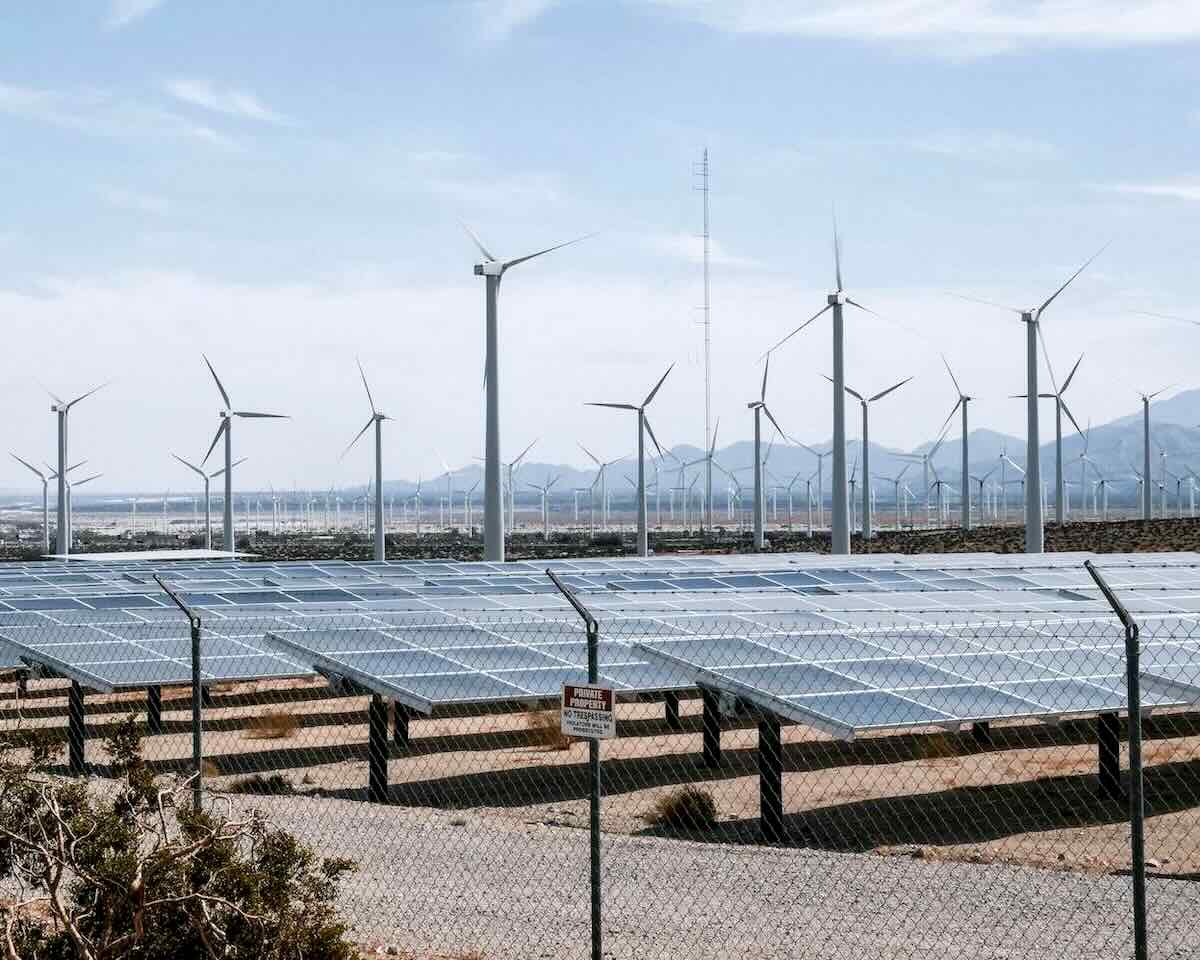
But that goal isn’t plausible when considering how inefficient these mandated sources are.
Energy writer Robert Bryce explains the “law of power density,” showing how many units of energy a source produces relative to how much energy was used to produce it.
Wind and solar produce a 3.5:1 ratio, which is a pittance compared to coal (10:1), oil and natural gas (30:1), and nuclear (100:1).
Power density, which these ratios measure, “helps us understand why wind and solar energy cannot, will not, ever be able to power our society,” says Bryce. “In addition to their incurable intermittency and dependence on the weather, they require too much land and other resources.”
These inconvenient truths should inspire skepticism not only of AEPS but also of any proposal to expand the mandate. As part of his Lightning Plan, Governor Shapiro proposed a new spin on AEPS: the Pennsylvania Reliable Energy Sustainability Standard (PRESS).
PRESS more than doubles the mandated percentage, requiring 50% of Pennsylvania’s electricity to come from similar sources by 2035.
If enacted, Shapiro’s new mandate would add $155 billion in energy costs, doubling household electricity bills over the next decade.
Fortunately, PRESS failed to make it into this year’s state budget, sparing hard-working Pennsylvanians from paying even more in their monthly utility bills.
However, Pennsylvanians aren’t out of the woods. AEPS continues to drive up bills, and the looming threat of PRESS remains.
It is time for state leaders to prioritize affordability and allow technologies to stand on their own abilities to deliver low-cost, reliable energy.
Read more at RealClearEnergy