

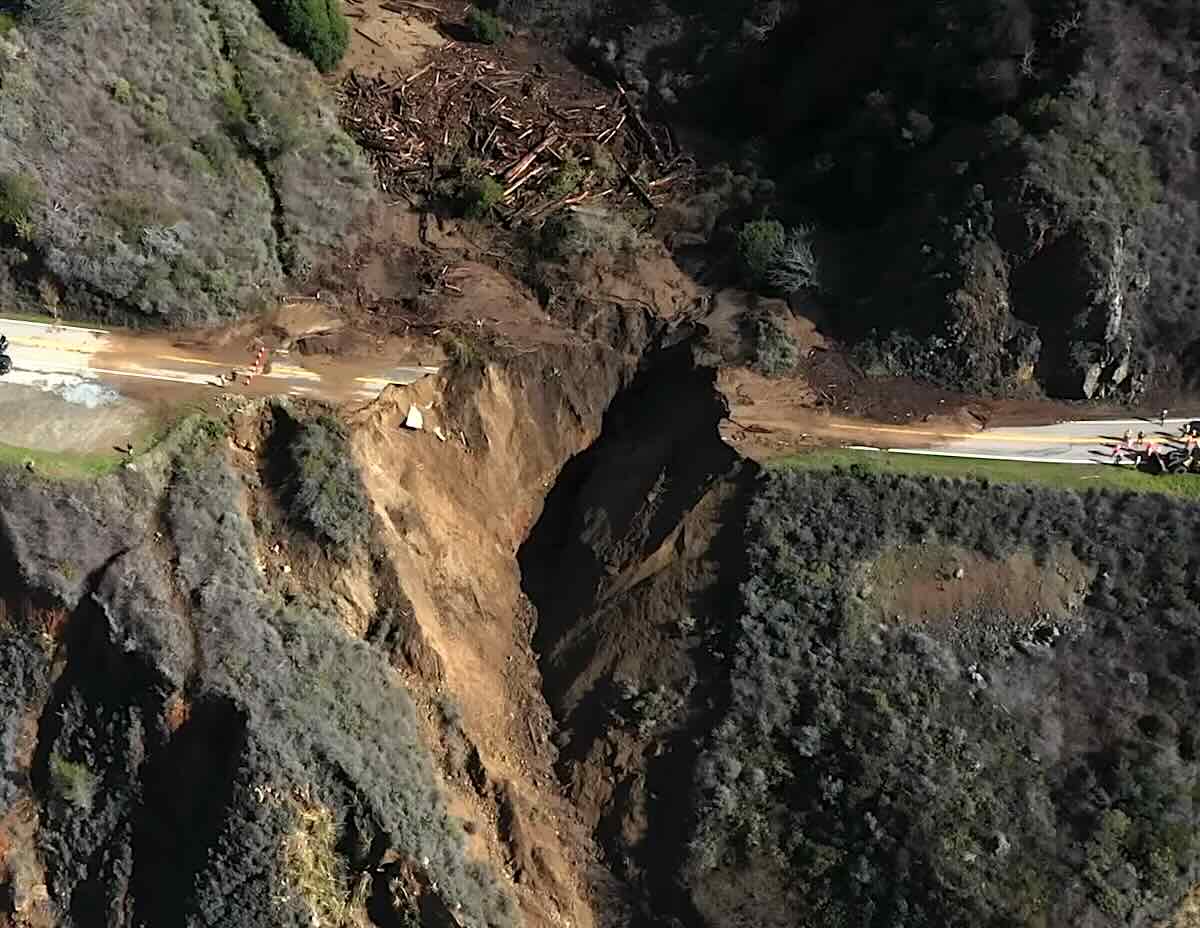
Only one state, Alaska, has worse roads than California. Tens of billions are needed to repair the crumbling, cracking, and cratered infrastructure. Nearly a decade ago, legislators passed a $52 billion bill to fix the problems. [some emphasis, links added]
Now, [Sacramento is thinking about] moving fuel tax revenue dollars that should be used for road repair to fund a scheme to produce green jet fuel.
The Reason Foundation’s latest highway report ranks California 49th. From abysmal urban interstate surface conditions to battered urban arterial roads to rundown rural interstate pavement quality, California’s roads are in lousy shape.
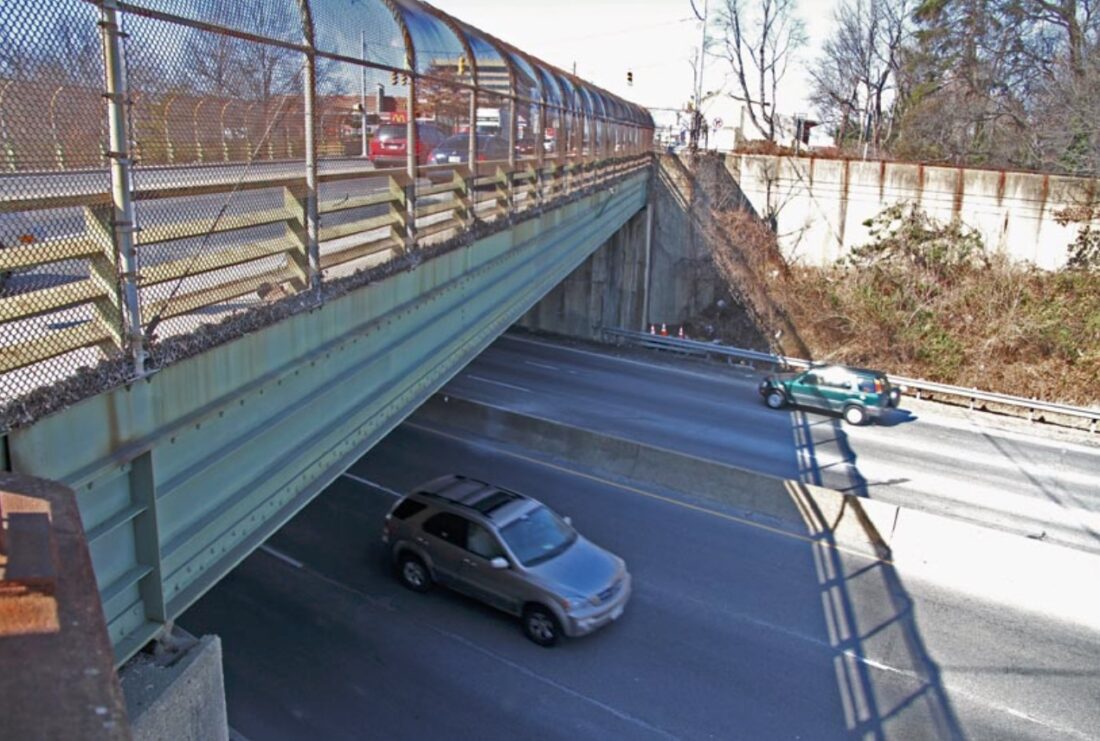
At least the state’s bridges fall in the middle, with only 6% judged to be structurally deficient.
Baruch Feigenbaum, one of the report’s authors, says the state’s highway system ranks so low because it “is one of the top per-mile spenders on highways” yet still “has some of the most pothole-ridden roads in the country.”
“The state,” says Feigenbaum, “needs [to improve] efficiency by selecting projects using a more quantitative metric and spending fuel tax revenue on highways.”
Despite the obvious need, Gov. Gavin Newsom apparently wants to redirect resources away from road repair.
He has proposed a $1 to $2 credit for every gallon of alternative jet fuel, also known as sustainable aviation fuel (SAF), “produced for use in California,” an arrangement that CalMatters says will be funded “by raiding your road repair budget.”
The nonpartisan Legislative Analyst’s Office is not on board with the governor’s proposal.
The program would cut into tax revenues that fund “the California Department of Transportation (Caltrans) and its highway maintenance and rehabilitation programs” (a $70 million yearly reduction), as well as dollars transferred to cities and counties for local street and road needs (they’d lose about $49 million a year).
Because the governor’s office anticipates that the credit could grow, possibly reaching roughly $300 million a year, there could be a near doubling of “the reductions and corresponding fiscal and programmatic impacts.”
The LAO also points out that California is projected to run into “future transportation funding challenges due to existing trends and policies that increase zero-emission vehicle (ZEV) adoption, which in turn will reduce diesel and gasoline excise tax revenues.” Newsom’s plan “would expedite and add to those projected fiscal and programmatic impacts.”
Sometimes it seems that Californians will never have smooth roads again. Everyone is just going to have to get used to the idea that their next drive might be their car’s last.
Lawmakers responded in 2017 to the years of road negligence, passing a $52 billion highway repair bill that’s funded by motor fuel tax hikes every year through 2027 — in a state where public policy has driven gasoline prices to the highest in the country.
Yet California still has lousy roads, and a governor who believes fixing them isn’t as important as pumping out more sustainable aviation fuel.
Even before the U.S. and Israel attacked the regime in Iran, triggering an increase in oil prices, California had a “burgeoning aviation fuel crisis,” according to the American Energy Alliance, caused by public policy choices.
As early as last October, Assemblyman Stan Ellis of Kern County, along with University of Southern California professor Michael Mische and another author, was warning that the state’s “severe restrictions regulating the oil, refining, and fuels industries” were threatening jet fuel production and endangering military readiness.
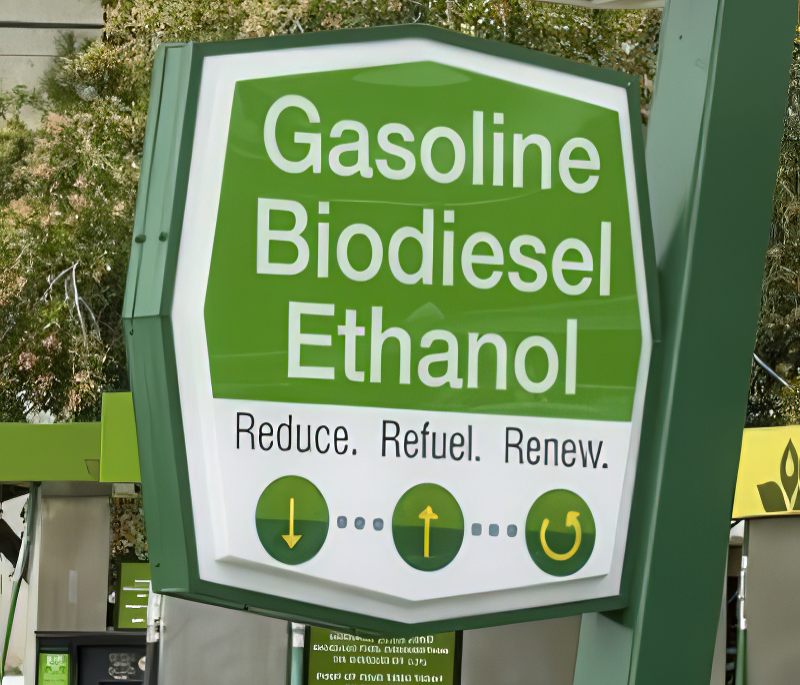
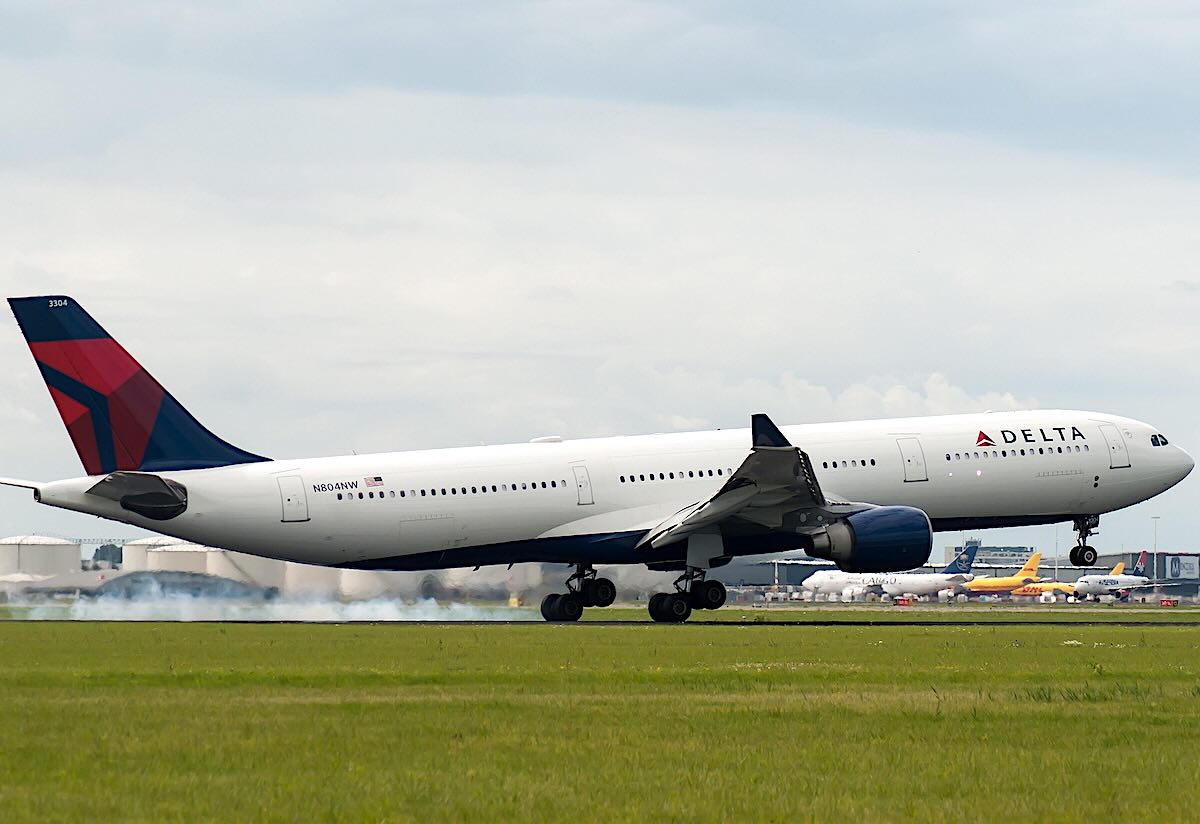
So, given the aviation fuel crisis and predictions that the SAF market will grow rapidly, maybe increasing in-state SAF production is the right road to take. Or maybe it isn’t.
First of all, there is little to no market for SAF without government intervention through mandates and financial incentives, and even with those, Delta Air Lines, the world’s largest carrier by revenue, has softened its commitment to SAF use, citing slow-moving tech advances in production.
Second, researchers at the University of California Energy Institute at Berkeley’s Haas School of Business say the governor’s SAF plan carries high costs and will provide few benefits.
They expect diesel excise tax receipts to fall by at least a fifth and as much as three-fourths “within a few years,” with the price of gasoline and diesel rising by 10 to 15 cents “because of interactions with existing policies.”
They also explain that since SAF costs at least three times as much to produce as petroleum-based aviation fuel, it primarily “would come from diverting biofuels from surface transport to aviation,” any real “reductions in carbon emissions would be small and expensive.”
Average Californians aren’t likely to read the LAO and Haas reports, but they will probably find the plan to not be of their liking due to its costs at the pump — and at the car repair shop.
Read more at Pacific Research Institute





It is common for Democrats to steal money from one fund and give it to another. The Social Security fund has been raided a number of times. Unelected bureaucrats reallocated much of the money from California’s 2014 water funding Proposition One into green projects. Raiding the highway fund for biofuels would be another example of what I consider theft. This sort of effort is beyond useless. Many if not most climate activists recognize that biofuels do nothing to reduce emissions. By the time fossil fuels have been used to fertilize, grow, harvest the crops, and then convert them into fuel, there is as much carbon dioxide emitted as is saved by using the biofuel. I suspect in California there is a group of people who are planning to profit off of the some aspect of the bioaviation fuel.