U.S. Secretary of State Marco Rubio’s visit to India produced much-needed diplomatic momentum, with more ground to cover on the energy front. [some emphasis, links added]
Even with an Indian commitment to purchase $500 billion in American goods over the next five years, Rubio’s stated desire to supply “as much energy” as India is willing to buy appears to remain on the table.
Washington and New Delhi stand united in their unapologetic embrace of oil, natural gas, and coal. However, the results of the partnership in this area remain modest compared with what each country needs.
The task now is to turn early agreements into meaningful outcomes that serve both nations’ long-term interests.
Dylan Johnson, Assistant Secretary of State for Global Public Affairs, confirmed that the Energy Department will host a fuel security meeting later this year for representatives of the Quadrilateral Security Dialogue, an arrangement of Australia, India, Japan, and the United States.
“Each country will leverage [its] unique energy resources and capabilities to strengthen regional energy resilience,” he said.
The subcontinent needs energy sources at scale to power growth for the hundreds of millions moving into the middle class. And the time has come for Indian and American leaders to stop playing climate theater games.
Energy Dictates India’s Future
India faces a hard arithmetic: A growing population, rising incomes, and expanding industry will keep power demand climbing for decades.
While participating in climate diplomacy and renewable energy development, India has never seriously embraced the fantasy that wind and solar technologies can sustain an industrial economy.
India continues to expand coal production, approve power plants, increase oil and natural gas imports, and underpin its development with hydrocarbons.
India’s success depends on abundant energy for electricity, industrial heat, transportation fuels, and manufacturing.
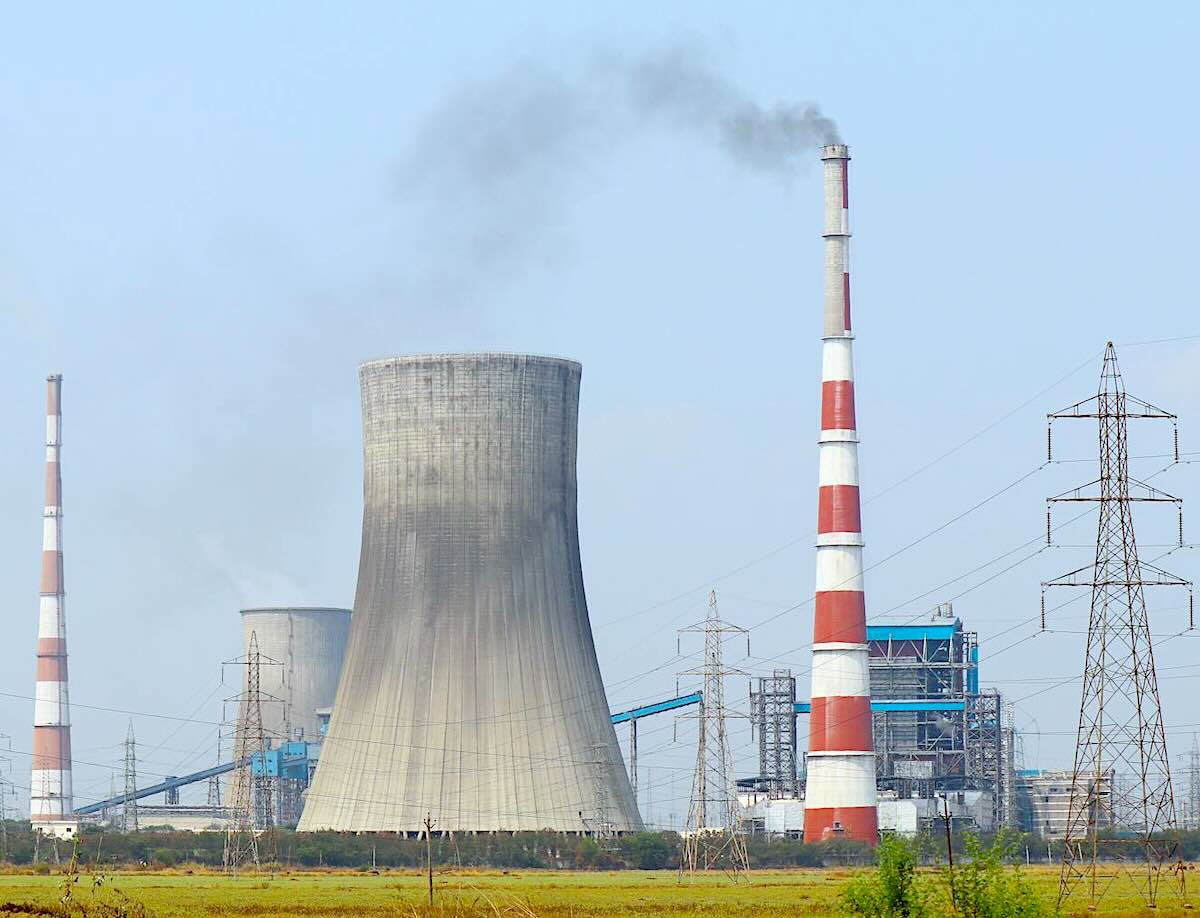
Coal remains indispensable for India’s electricity sector because it provides dispatchable, large-scale generation. The country has domestic reserves, the necessary infrastructure, and industrial systems built around thermal power.
Natural gas—a complement to coal, not a replacement—is suited for certain industrial applications and energy systems that require operational responsiveness and serves as a feedstock for petrochemicals and fertilizers.
The International Energy Agency’s India Gas Market Report: Outlook to 2030 says India’s gas consumption is set to rise about 60% by 2030, with annual imports of liquefied natural gas (LNG) likely to more than double.
That pace is rare for any major economy.
As part of that formula, American natural gas offers availability and geopolitical insulation. It avoids the political uncertainty of Russia, where energy supplies are accompanied by coercion, and reduces risks associated with the Strait of Hormuz.
This matters because energy security is economic security. American exports can anchor productive growth rather than fuel another round of import anxiety for operators of Indian city gas networks, industrial boilers, fertilizer plants, and power generators.
A Big, Beautiful Energy Deal?
For two decades, the climate industrial complex operated as a massive, shadow government of unelected bureaucrats who funneled billions of dollars into nongovernmental organizations, academia, and media outlets to manufacture consent for radical anti-fossil fuel policies.
The Trump administration took an axe to that system, declaring that America will not cripple itself and others with climate politics dressed up as environmental wisdom.
Trump — Climate change is the greatest con job ever perpetrated.pic.twitter.com/N9Z4CxOfKW
— Citizen Free Press (@CitizenFreePres) September 23, 2025
By withdrawing from restrictive international climate agreements and freezing the funding of meaningless—and corrupt—programs, the administration unleashed American energy producers.
India watched with keen interest. Indian leadership understands that the energy policies of green-crazy California and Germany produced high prices and scarcity—the exact opposite of market demands.
The previous Biden administration constantly badgered India about its “carbon footprint,” sending envoys to lecture Indians on the supposed dangers of economic growth. That era of diplomatic condescension is over.
A U.S.-India alliance would strike at the heart of the corrupt climate lobby. Trading massive quantities of fossil fuels would break the stranglehold on energy policy that climate alarmists have long sought to make permanent.
Rubio’s visit has opened a pathway to move beyond quick headlines and build a framework for unprecedented energy trading that can deliver gains for workers, families, and industries in both countries.
They would send a message that energy security comes first, hopefully making the shady business model of climate fearmongering a historical footnote.
Top: The curtain rises on American energy — and climate theater exits stage left. AI image.
Read more at CO2 Coalition