Wyoming’s coal sector is startled by Republican political candidates who oppose the data center buildout. [some emphasis, links added]
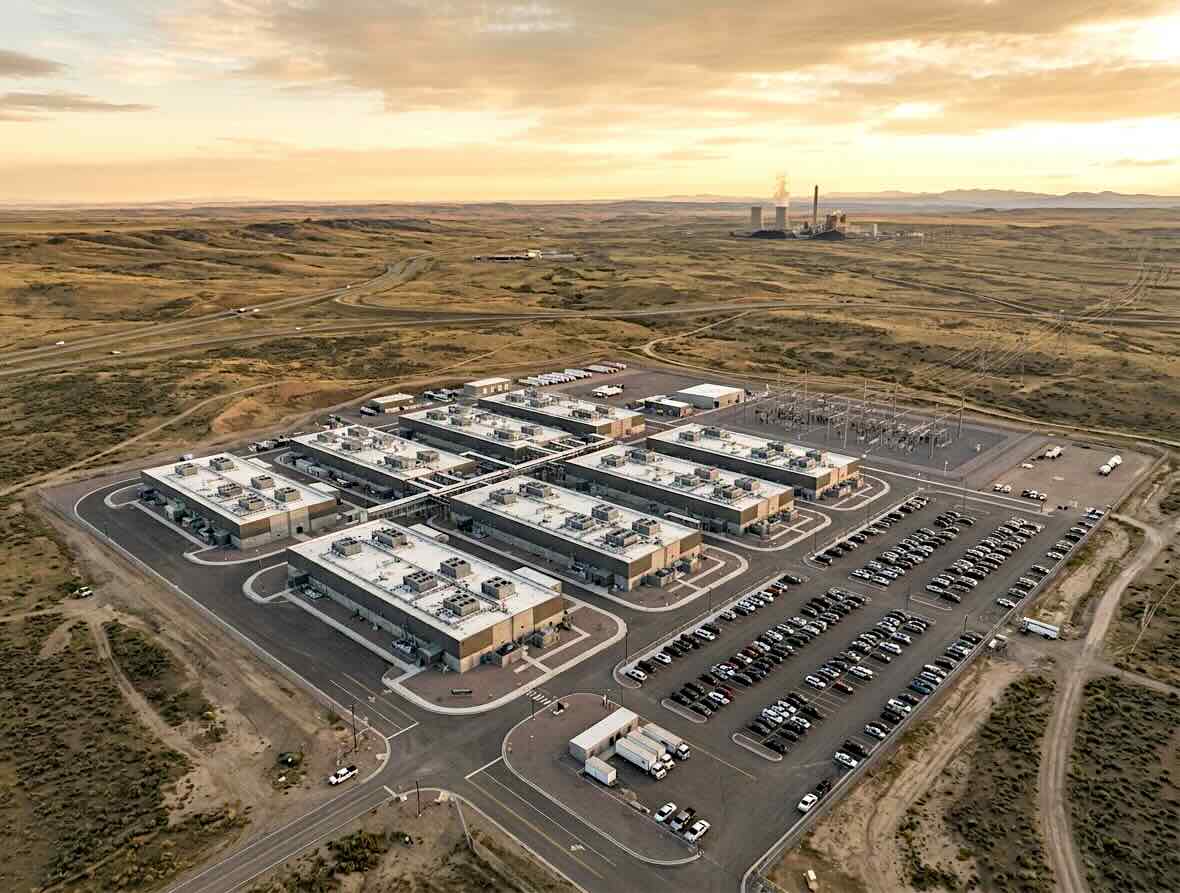
Data centers are large warehouses full of servers that power parts of the internet and, increasingly, artificial intelligence (AI). Wyoming has between 20 and 30 operational data centers.
President Donald Trump has touted the sector’s expansion as part of a coal industry revival and as part of beating China in the technology race.
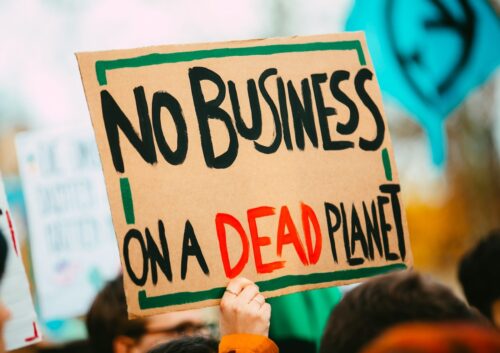
Many Wyoming Republicans oppose data center construction due to various unknowns associated with them or doubts about the veracity of the companies’ promises regarding water usage, pollution, noise, and the irreversible alteration of agricultural lands and vistas.
“It’s kind of frustrating from the coal side of things,” Travis Deti, executive director of the Wyoming Mining Association, told Cowboy State Daily on Monday.
“The coal comeback right now is being – you know, it’s being driven largely by the data center buildout nationally and the projected demand for energy.”
Yet, Deti added: “When you have politicians running around Wyoming, it’s easy for them to say, ‘We support coal, we support coal,’ but out of the other side of their mouths they want to stop the data centers.”
Deti attributed the anti-data center fad to a “wave of populism” by which politicians follow passing movements rather than concrete principles.
Wyoming’s public revenues have depended significantly on coal mining over the years, even as the sector has suffered under pendulum politics from Washington, D.C.
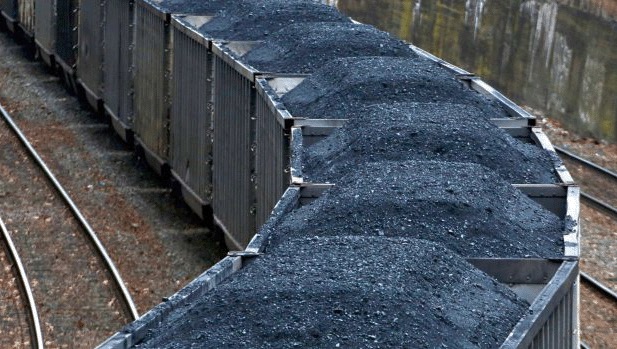
Coal production in Wyoming peaked in 2008, when the Powder River Basin produced nearly 450 million tons, and has trended steadily downward since.
Wyoming surface coal production has fallen by 59.1% over the past 16 years. Thermal coal, which Wyoming produces, has seen lower demand in recent years.
That’s from coal-fired power plants either retiring or seeing their demand decline nationally as the market has shifted toward natural gas and renewable energy.
2024 marked the first time Wyoming coal production had fallen below 200 million tons since 1992.
The industry saw it as a dark year, as President Joe Biden’s U.S. Bureau of Land Management issued a rule at the time aimed at ending Wyoming coal by 2041.
Coal in 2025 yielded $134 million in severance taxes for Wyoming – the lowest since 2003.
That’s 19.5% of Wyoming’s severance tax haul, with oil generating 54.9% and natural gas yielding 21.9%.
The Divide
The divide had surfaced in statewide Wyoming GOP primary election contests.
In the GOP race for the state’s lone U.S. House seat, candidate and Secretary of State Chuck Gray has opposed the data center buildout, while at least one of his opponents, Casper businessman Reid Rasner, has urged responsible, pro-business development in the sector.
“Thank you, President Trump, for your support of our big, beautiful coal industry! We must support our core coal, ranching and farming, oil and gas, and soda ash industries,” says a June 8 Facebook post by Gray.
“And we must STOP (Gov.) Mark Gordon’s nightmare of outrageously wrong woke wind and woke Big Tech surveillance state data centers.”
Gordon, on June 3, published a state executive order calling for responsible, considerate, and transparent data center development. In an inversion of the norm, Gordon is more in line with Trump’s agenda on this issue than Gray is.
Conversely, Gray and other anti-data center Republicans find themselves in a rare policy camp with Democratic New York U.S. Rep. Alexandria Ocasio-Cortez and Independent Vermont U.S. Sen. Bernie Sanders, who have called for a moratorium.
Gray countered Deti’s point in a Monday comment via text message.
“I’ve consistently been coal’s #1 defender in the Wyoming State Legislature and as secretary of state,” wrote Gray. “I’ve worked to get access to markets for our coal and also have worked to stop woke wind projects that are in direct competition with our big, beautiful coal industry.”
Gray criticized Gordon and Deti for not backing a bill Gray had sponsored in 2019 – which Gordon vetoed.
The bill would have set up a litigation fund and authorized the Legislature to sue over coal export access. In Gray’s telling, the bill aimed to get coal export access amid the damaged industry “when the timing was right.”
Read rest at Cowboy State Daily