• Privacy Policy
  • About Us
  • Contact Us
Climate Change Dispatch
  • Home
  • Videos
  • Who We Are
  • Facts Vs. Fearmongering
    • Real science vs Junk Science
      • 1100-plus Peer-Reviewed Studies
      • Michael Crichton: Aliens Cause Global Warming
      • Climate change and its causes
      • Climate Science Primer
      • CO2 is not pollution
      • Deceptive Surface Temperature Records
      • Editorial: Great Global Warming Hoax
      • Rules for Climate Radicals: Part 1
      • Rules for Climate Radicals: Part 2
      • Rules for Climate Radicals: Part 3
      • Why CO2 Is A Minor Player In Global Climate
      • Why Politicized Science Is So Dangerous
    • Facts Not Fear
      • A Simple Question For Climate Alarmists
      • Climate Change – The Facts
      • Climate Change Fears Are Empirically Baseless
      • Global Warming 101
      • Global Warming Q&A
      • Understanding The Medieval Warm Period
      • Ocean Cycles and Climate
      • Overview of Plate Climatology Theory
      • Precautionary Principle
      • Should We Celebrate Carbon Dioxide?
      • The Skeptics Handbook
      • Weather Versus Climate
      • Why I’m a GW skeptic
      • Winning the climate debate with facts
      • Why Aliens Cause Global Warming
    • Greenhouse FAQs
      • CO2, Plants, & Industry
      • How much have temps changed?
      • How much have temps changed?
      • How much have temps changed?
      • Is global warming real?
      • Measuring temperature
      • Swimming in CO2?
      • Scientists urge caution?
      • Today’s warming trend
      • Variations in temperature
    • Gore’s Greatest Goofs
      • Deconstructing the Truth
      • Fact-Checking Al Gore’s Latest Predictions
      • How Gore Created The Global Warming Hoax
    • Inside Real Climate
      • Closer look at the 97% Consensus
      • GW’s Amazing Story
      • IPCC gets failing grade
      • Real Climate Exposed!
      • Truth about Real Climate
      • We’ve Been Conned
      • What is there a 97% consensus about?
    • Behind the IPCC
      • 1,000 Scientists Dissent
      • Climategate: Caught Green-Handed!
      • Climategate Inquiries
      • Climategate Inquiries 2
      • NIPCC Report Now Available
      • Understanding the Climategate Inquiries
  • Submissions
  • Contact Us
No Result
View All Result
  • Home
  • Videos
  • Who We Are
  • Facts Vs. Fearmongering
    • Real science vs Junk Science
      • 1100-plus Peer-Reviewed Studies
      • Michael Crichton: Aliens Cause Global Warming
      • Climate change and its causes
      • Climate Science Primer
      • CO2 is not pollution
      • Deceptive Surface Temperature Records
      • Editorial: Great Global Warming Hoax
      • Rules for Climate Radicals: Part 1
      • Rules for Climate Radicals: Part 2
      • Rules for Climate Radicals: Part 3
      • Why CO2 Is A Minor Player In Global Climate
      • Why Politicized Science Is So Dangerous
    • Facts Not Fear
      • A Simple Question For Climate Alarmists
      • Climate Change – The Facts
      • Climate Change Fears Are Empirically Baseless
      • Global Warming 101
      • Global Warming Q&A
      • Understanding The Medieval Warm Period
      • Ocean Cycles and Climate
      • Overview of Plate Climatology Theory
      • Precautionary Principle
      • Should We Celebrate Carbon Dioxide?
      • The Skeptics Handbook
      • Weather Versus Climate
      • Why I’m a GW skeptic
      • Winning the climate debate with facts
      • Why Aliens Cause Global Warming
    • Greenhouse FAQs
      • CO2, Plants, & Industry
      • How much have temps changed?
      • How much have temps changed?
      • How much have temps changed?
      • Is global warming real?
      • Measuring temperature
      • Swimming in CO2?
      • Scientists urge caution?
      • Today’s warming trend
      • Variations in temperature
    • Gore’s Greatest Goofs
      • Deconstructing the Truth
      • Fact-Checking Al Gore’s Latest Predictions
      • How Gore Created The Global Warming Hoax
    • Inside Real Climate
      • Closer look at the 97% Consensus
      • GW’s Amazing Story
      • IPCC gets failing grade
      • Real Climate Exposed!
      • Truth about Real Climate
      • We’ve Been Conned
      • What is there a 97% consensus about?
    • Behind the IPCC
      • 1,000 Scientists Dissent
      • Climategate: Caught Green-Handed!
      • Climategate Inquiries
      • Climategate Inquiries 2
      • NIPCC Report Now Available
      • Understanding the Climategate Inquiries
  • Submissions
  • Contact Us
No Result
View All Result
Climate Change Dispatch
No Result
View All Result

Why Banning Neonics Hurts Farmers And Bees

by Paul Driessen, guest post
July 13, 2020, 7:56 AM
in News and Opinion
Reading Time: 5 mins read
A A
2

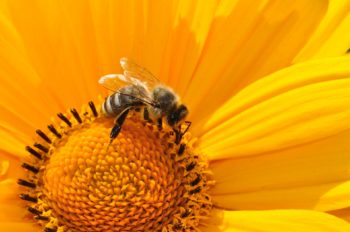
honeybee sunflowerThe honeybees, bumblebees and other little pollinators swarming over my flowers remind me what important roles they play – and how some misguided folks could inadvertently hurt them.

Montgomery County, Maryland now prohibits “weed-and-feed” lawn fertilizer and most “synthetic pesticides.”

But it allows homeowners, farmers, and orchardists to use “organic” products that are often more dangerous to bees, other wildlife, and even humans.

New York is considering a five-year statewide ban on neonicotinoid insecticides; this action too would likely result in the use of chemicals that may actually be much more toxic to the birds and bees it seeks to protect.

US Rep. Nydia Velázquez (D-NY) is still promoting a bill to reinstate an Obama era ban on using neonics in the nation’s wildlife refuges. She mistakenly believes these pesticides threaten biodiversity, bees, and other wildlife in these important habitats – whereas alternatives would be safe and harmless.

Other jurisdictions are pondering comparable actions that could pose similar problems.

Neonicotinoids were introduced in the 1990s to replace less targeted, more toxic pest control chemicals. Primarily used to coat seeds, “neonics” significantly reduce the need for aerial and ground-level spraying with other chemicals that actually do harm bees and other pollinators.

They become part of the plant tissue and target only pests that actually feed on the crops, particularly during early growth stages.

This advance has helped boost crop yields while protecting the environment. Losing neonics would put many states’ farming economies at risk. Support for neonic use comes from all over the world.

Up in Canada, the same misinformation that’s motivating US legislative and regulatory actions persuaded Ontario lawmakers to pass a neonic ban in 2015. Farmers have since reported paying four times more for an alternative pesticide that is less effective, cannot be used on some crops, and can harm bees.

Activists persuaded Europe to ban neonics in 2013. But subsequent studies found the ban disastrously counterproductive.

For instance, after the ban, British farmers had to spray four times more often than before, using older pesticides like pyrethroids and organophosphates that are less effective, must be sprayed several times during the growing season, and often harm bees, other non-target insects and even birds.

Insect pests increased dramatically, and across Europe, the canola (oilseed rape) industry suffered revenue losses of over $430 million in just a few years.

As was the case in Europe, proposed prohibitions are often the result of environmentalist pressure campaigns and false claims that bees are threatened by neonics. Actual data show the opposite is true.

Despite warnings of a “bee-pocalypse,” except during the latest “colony collapse disorder” (CCD), honeybee colonies have been rising worldwide since the 1990s, when neonics first came on the market.

US Department of Agriculture (USDA)  surveys show that U.S. honeybee hive numbers have increased seven out of the last ten years, and there are now over 150,000 more beehives than in 1995.

A closer look at New York’s crop yields also confirms that honeybee colonies are healthy. Apple yields are almost exactly the same as they were ten years ago, indicating that pollinators are thriving and busy doing their job. Similar lessons apply elsewhere.

There’s no doubt that honeybees have recurring problems. Overwinter losses are still high some years and, while bees reproduce rapidly and beekeepers can quickly replenish their hives, these losses can significantly strain this small but important industry.

Most experts agree, however, that the worldwide spread of the deadly Varroa destructor mite was a primary factor in the recent mass die-offs and a recurrent problem over the centuries.

They arrived in the United States in the late 1980s and spread widely over the next decade. The parasites attach to bees, suppressing their immune systems, carrying deadly diseases, and creating pathways for other diseases to enter bee bodies. The triple whammy can have disastrous impacts on bee colonies.

Thankfully, the USDA has made progress in efforts to breed more Varroa-resistant or Varroa-tolerant honey bees, which somehow have better hygienic habits: they remove mites from one other.

That’s important, because many available Varroa treatments no longer work as well, due to the mite’s uncanny ability to develop resistance to treatments.

Other USDA research has identified a promising new approach of using RNA interference to disrupt the reproduction of Nosema ceranae – another bee parasite that is the honeybee’s second-worst scourge.

Unfortunately, crusading activists, journalists, legislators, and regulators spent years ignoring these microscopic predators and parasites. Instead, they blamed pesticides, especially neonics.

How wrongheaded and counterproductive that was is further illustrated by the vast canola fields in western Canada.

The canola is 100% grown with neonic-coated seeds, and successful professional beekeepers actually cart their hives into the middle of the canola fields because they produce such delicious honey.

Not surprisingly, as domesticated bees recovered, anti-pesticide activists began talking about wild bees, which can also be important for pollination. The activists get their facts wrong here, too.

There are thousands of wild bee species. According to a 2015 study published in Nature – probably the most extensive survey of wild bees ever done – 98% of wild bees don’t even pollinate agricultural crops. Moreover, the few species that do, and thus would come into greatest contact with neonics, are thriving.

Ironically, bees may be more at risk from insecticides that people have been falsely led to believe are safe. Organic farmers don’t use neonics or other modern chemicals, but they do employ a number of crop-protecting pesticides.

These “organic” products may be “natural,” but some are highly toxic to bees – rotenone, copper sulfate, spinosad, hydrogen peroxide, azadirachtin, citronella oil, and even garlic extract and acetic acid, for instance – chemical risk analyst Dr. David Zaruk points out.

Montgomery County’s guidelines specify that products bearing EPA registration numbers are prohibited and say gardeners should rely on a 113-page tiny-type list of chemicals certified by the Organic Materials Review Institute, an organic industry support and advocacy group.

However, OMRI doesn’t mention that some of its “approved” products harm bees or pose other serious risks – to wildlife and humans.

For example, OMRI (and thus Montgomery County, among others) approves rotenone, but neglects to mention that this nasty chemical kills bees, is highly toxic, especially when combined with pyrethrins, and can enhance the onset of Parkinson’s disease, Zaruk and other experts note.

Pyrethrin pesticides themselves are powerful neurotoxins that can cause leukemia and other health problems.

Copper sulfate can damage human brains, livers, kidneys, and stomach linings. Prolonged exposure to boron fertilizer can affect people’s brains, livers, and hearts.

Lime sulfur mildew and insect killer causes irreversible eye damage and can be fatal if inhaled, swallowed, or absorbed through the skin.

Nicotine sulfate is a neurotoxin that interferes with nerve-muscle transmissions, causes abnormalities in lab animal offspring, and can lead to irregular heart-rates and even death. All are approved “organic” chemicals.

Journalists, legislators, regulators, homeowners, and gardeners need to do their homework more carefully.

They should read reputable scientific studies, rely less on anti-pesticide press releases and apocalyptic news stories, read product labels carefully, wash up afterward, and view with extreme skepticism any claims that the word “organic” means pesticide-free or a chemical is safe (or not even a chemical).

Above all, everyone should use all chemicals carefully and appropriately, under the assumption that any chemical (synthetic or organic) we are handling or applying may be toxic and dangerous – to bees, other insects and wildlife, or even ourselves.


Paul Driessen is a senior policy advisor for the Committee For A Constructive Tomorrow (www.CFACT.org) and author of many articles on the environment. He has degrees in geology, ecology, and environmental law.

  • Truth
  • Twitter
  • Facebook
  • LinkedIn
  • Gettr
  • Threads
  • gab-logo Gab
  • Mastodon
  • Buffer
  • Telegram
  • Email
  • Copy Link
  • Share Using More Networks…

Popular Posts

Bipolar

New Study: Ice Core Data Shows Modern Warming Is Statistically Unremarkable

Mar 05, 2026
Electric Vehicles (EVs)

The ‘Green’ Scam Of The Century: How ‘Renewables’ Increase Fossil Fuel Demands

Oct 23, 2024
Energy

Climate Science’s Biggest Shift In Decades: IPCC’s RCP8.5 Is Officially Dead

Apr 29, 2026

Comments 2

  1. Sonnyhill says:
    6 years ago

    Seems to me that enviromentalists go after our most effective, and popular pesticides. DDT, 2.4d, glyphosate, neonicotinoids. I don’t see bees in my soybeans, corn or wheat. These are self-pollinating plants.
    Bees aren’t interested in them.
    I believe that beekeepers were at a loss to explain their predicament, so they went after neonics on a hunch.
    Last month, as I was driving west on the 401 hwy, 5 bees died against my windshield in rapid succession. On the way back home, I killed 2 more at the same location. Some idiot had parked dozens of beehives up against Canada’s busiest fastest highway.
    A beekeeper.

    Reply
  2. Spurwing Plover says:
    6 years ago

    DDT was banned because of Rachel Carson’s lies in her book SILENT SPRING CBD’s were banned and no doupt they’ll ban Neoinics using the same Junk Science and Politics

    Reply

Comments are welcome! Those that add no discussion value may be removed.Cancel reply

Stay Connected!

gab-logo

Donate Today

Beating back the alarmist narrative takes time and money. Please donate today to help!

Get notified when new posts are published!

Subscribe to receive a digest of daily stories, or get emailed once they're published. Check your Junk/Spam folder for a verification email.

Recent Posts

  • eu pres President ursula von der LeyenThe EU Used Climate Alarmism To Grab Green Power — Now It’s Stuck With Both
    Jun 3, 2026
    The EU leveraged climate alarmism to centralize power from member states — now it's trapped by the green ideology it can't abandon. […]
  • calif highway trafficCalifornia Unions Exploit Climate Fears To Block Return-To-Office Mandate
    Jun 3, 2026
    California unions are threatening a CEQA lawsuit over commute emissions to block Newsom's return-to-office mandate for state workers. […]
  • antarctic glacierThe Thwaites ‘Doomsday’ Glacier Isn’t Collapsing — The Daily Mail’s Story Is
    Jun 3, 2026
    The Daily Mail's 'Doomsday Glacier' collapse scare ignores scale, ocean physics, and the fact that climate models aren't measurements. […]
  • lng tanker theaterIndia Needs Energy At Scale — Not More Climate Theater
    Jun 3, 2026
    Rubio's India visit signals a pathway to unprecedented fossil fuel trade — and an end to climate theater diplomacy. […]
  • models vs realityAP’s Climate Doomsday Forecast Is Built On Computer Models, Not Real Data
    Jun 2, 2026
    AP's five-year climate forecast relies on 200 runs of 13 models, not real-world data — and natural factors explain most of the projected warming. […]
  • miliband commonsBritons Told To ‘Cycle More, Eat Less Meat’ To Hit Net Zero Targets
    Jun 2, 2026
    The Climate Change Committee predicts that Britons will have to cycle more and eat less meat to 'balance' the UK's seventh ‘Carbon Budget’. […]
  • zeldin oval officeEPA Chief Makes Criminal Referrals Over Democrat ‘Self-Dealing’ In Green Energy Grants
    Jun 2, 2026
    EPA chief Lee Zeldin made criminal referrals alleging billions in Biden green-energy grants were routed to Democrat cronies via nonprofit pass-throughs. […]
  • climate doomsday machineThe UN’s Climate Doomsday Machine Faces Its Fiercest Storm
    Jun 1, 2026
    IPCC scientists admit their worst-case climate scenarios are no longer plausible — and the UN's doomsday narrative is finally running out of road. […]
  • cartoon scientist rcp85 dumpsterClimate Science Without Its Most Discredited Worst-Case Scenario
    Jun 1, 2026
    The IPCC has retired RCP 8.5, its most discredited worst-case emissions scenario — here's what that means for climate science going forward. […]
  • stock exchange floorBiden’s SEC Climate Rule Is On The Chopping Block — Here’s Why
    Jun 1, 2026
    The SEC has proposed rescinding a Biden-era rule forcing public companies to disclose climate risks, saying the mandate exceeded the agency's authority. […]

Books You May Like

Cold Facts About the Great Global Warming Scam

Climate prn book

Have a suggestion? Let us know! We swap out books based on your input. We participate in the Amazon Services LLC Associates Program. See here.

  • Privacy Policy
  • DMCA Policy
  • About Us
  • Contact Us

© Portions copyright Climate Change Dispatch

No Result
View All Result
  • Home
  • Videos
  • Who We Are
  • Facts Vs. Fearmongering
    • Real science vs Junk Science
      • 1100-plus Peer-Reviewed Studies
      • Michael Crichton: Aliens Cause Global Warming
      • Climate change and its causes
      • Climate Science Primer
      • CO2 is not pollution
      • Deceptive Surface Temperature Records
      • Editorial: Great Global Warming Hoax
      • Rules for Climate Radicals: Part 1
      • Rules for Climate Radicals: Part 2
      • Rules for Climate Radicals: Part 3
      • Why CO2 Is A Minor Player In Global Climate
      • Why Politicized Science Is So Dangerous
    • Facts Not Fear
      • A Simple Question For Climate Alarmists
      • Climate Change – The Facts
      • Climate Change Fears Are Empirically Baseless
      • Global Warming 101
      • Global Warming Q&A
      • Understanding The Medieval Warm Period
      • Ocean Cycles and Climate
      • Overview of Plate Climatology Theory
      • Precautionary Principle
      • Should We Celebrate Carbon Dioxide?
      • The Skeptics Handbook
      • Weather Versus Climate
      • Why I’m a GW skeptic
      • Winning the climate debate with facts
      • Why Aliens Cause Global Warming
    • Greenhouse FAQs
      • CO2, Plants, & Industry
      • How much have temps changed?
      • How much have temps changed?
      • How much have temps changed?
      • Is global warming real?
      • Measuring temperature
      • Swimming in CO2?
      • Scientists urge caution?
      • Today’s warming trend
      • Variations in temperature
    • Gore’s Greatest Goofs
      • Deconstructing the Truth
      • Fact-Checking Al Gore’s Latest Predictions
      • How Gore Created The Global Warming Hoax
    • Inside Real Climate
      • Closer look at the 97% Consensus
      • GW’s Amazing Story
      • IPCC gets failing grade
      • Real Climate Exposed!
      • Truth about Real Climate
      • We’ve Been Conned
      • What is there a 97% consensus about?
    • Behind the IPCC
      • 1,000 Scientists Dissent
      • Climategate: Caught Green-Handed!
      • Climategate Inquiries
      • Climategate Inquiries 2
      • NIPCC Report Now Available
      • Understanding the Climategate Inquiries
  • Submissions
  • Contact Us

© 2026 Climate Change Dispatch

 
Share via
  • Facebook
  • Twitter
  • Pinterest
  • LinkedIn
  • Digg
  • Tumblr
  • VKontakte
  • Print
  • Email
  • Reddit
  • Buffer
  • Love This
  • Weibo
  • Pocket
  • Xing
  • Odnoklassniki
  • WhatsApp
  • Meneame
  • Blogger
  • Amazon
  • Yahoo Mail
  • Gmail
  • AOL
  • Newsvine
  • HackerNews
  • Evernote
  • MySpace
  • Mail.ru
  • Viadeo
  • Line
  • Flipboard
  • Comments
  • SMS
  • Viber
  • Telegram
  • Subscribe
  • Facebook Messenger
  • Kakao
  • LiveJournal
  • Yammer
  • Edgar
  • Fintel
  • Mix
  • Instapaper
  • Copy Link
  • Truth
  • gab-logo Gab
  • Gettr
  • Baidu
  • Mastodon
  • Threads
  • Bluesky
Share via
  • Tumblr
  • VKontakte
  • Print
  • Email
  • Reddit
  • Buffer
  • Love This
  • Weibo
  • Pocket
  • Xing
  • Odnoklassniki
  • WhatsApp
  • Meneame
  • Blogger
  • Amazon
  • Yahoo Mail
  • Gmail
  • AOL
  • Newsvine
  • HackerNews
  • Evernote
  • MySpace
  • Mail.ru
  • Viadeo
  • Line
  • Flipboard
  • Comments
  • SMS
  • Viber
  • Telegram
  • Subscribe
  • Facebook Messenger
  • Kakao
  • LiveJournal
  • Yammer
  • Edgar
  • Fintel
  • Mix
  • Instapaper
  • Copy Link
  • Truth
  • gab-logo Gab
  • Gettr
  • Baidu
  • Mastodon
  • Threads
  • Bluesky