

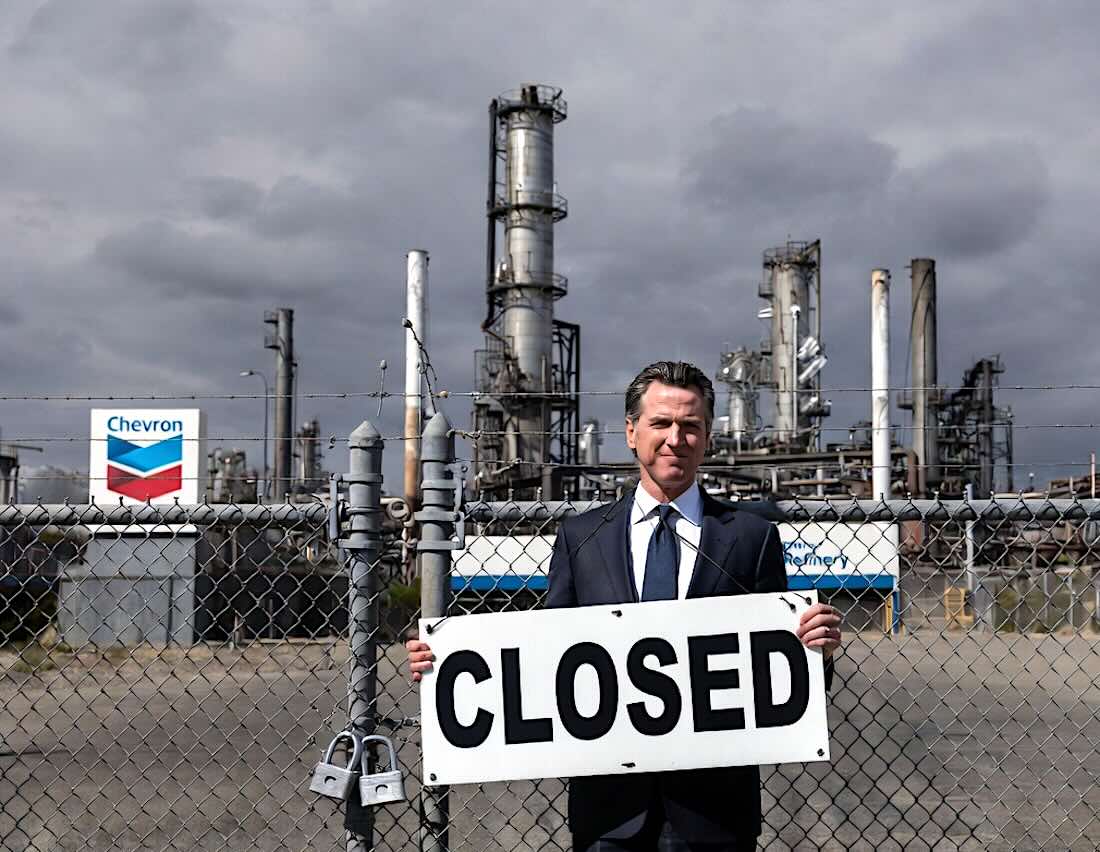
At the end of May, the California Air Resources Board extended the “Cap-and-Invest” program through 2045, with changes that allegedly provide a “long-term signal for the market.” [some emphasis, links added]
CARB maintains the path toward the state’s 2030 and 2045 “climate targets,” while supporting “affordability for Californians by managing costs and maintaining a clear long-term signal for clean energy investment in the state.”
If that leaves people confused, they might start with the climate targets.
The “California Global Warming Solutions Act of 2006” fought “anthropogenic climate change” that had “led to higher overall worldwide temperatures, reduced snowpack in the higher elevations, greater fluctuations of temperature and precipitation, global sea level rise and more frequent and severe extreme weather events,” and so on.
The Act gave no sense that these issues were a matter of debate.
In Unsettled: What Climate Science Tells Us, What It Doesn’t, and Why It Matters, Steve Koonin shows that the catastrophic prophecies of “global warming” have gone unfulfilled.
California policy shows no recognition of this reality. The state targets carbon dioxide (CO2), a naturally occurring gas.
The “Cap-and-Trade” program, now called “Cap and Invest,” places a “cap” on businesses that CARB deems “polluters” and responsible for most of the state’s “greenhouse gas” emissions. Companies can purchase allowances or “trade” them with entities that have allegedly cut their emissions.
Trouble is, CARB regulations do not cover foreign energy importers, and that creates a problem for the state’s oil and gas refiners.
CARB’s proposed amendments would revise offset limits, establish an emissions containment reserve, and shift free allowance allocations from gas companies to electric utilities.
Jodie Muller of the Western States Petroleum Association called that “a move in the right direction,” but California refineries “need long-term certainty to make the investments that keep energy reliable and affordable for consumers.”
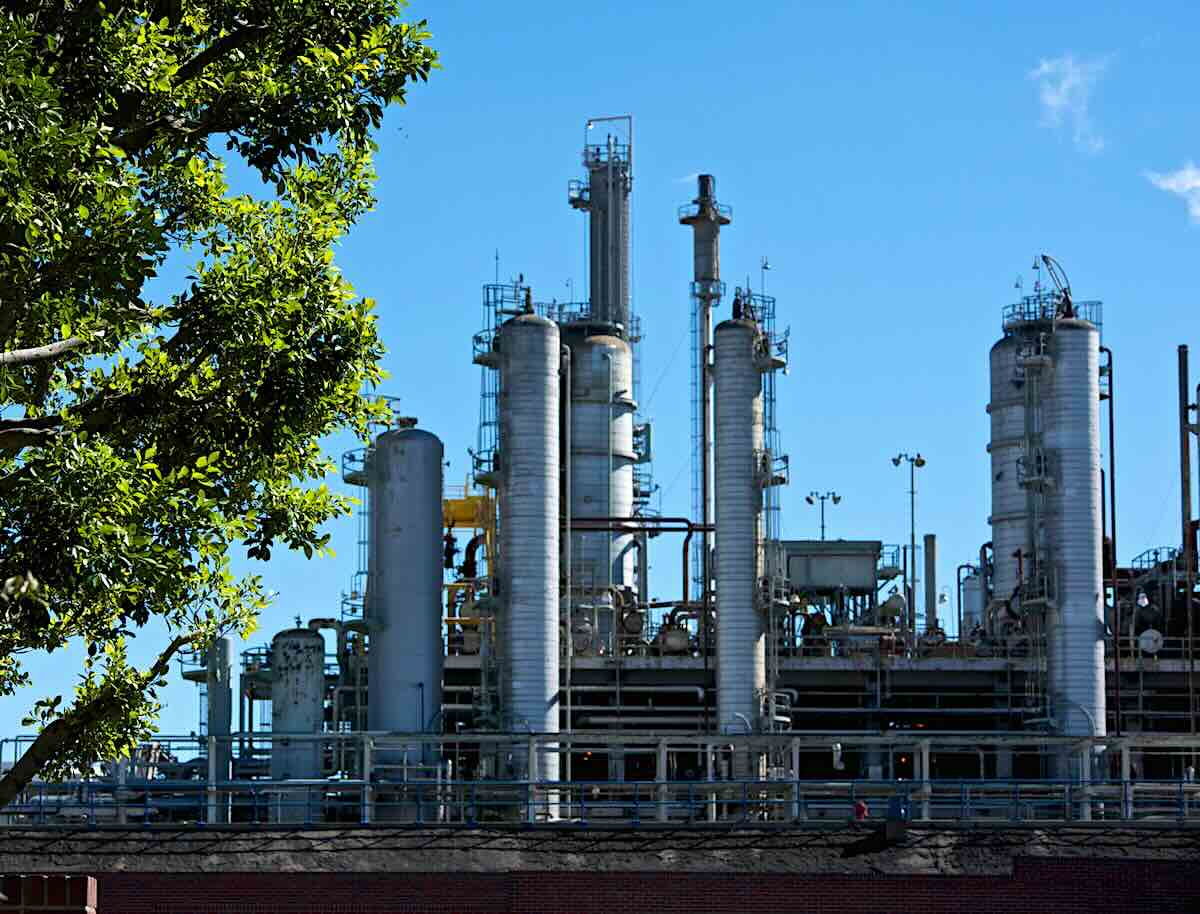
Two refineries recently ceased operations, and the state’s seven remaining refineries will be watching. As they face looming shutdowns, Californians might recall some realities about CARB, whose primary target is the people.
Prime mover Mary Nichols, a lawyer, not a scientist, has been touting $5-a-gallon gas since the 1990s. Nichols kept on staff Hien Tran, who claimed to have earned a PhD in statistics from UC Davis, when it was actually from a diploma mill in a New York City UPS office.
Tran authored “Methodology for Estimating Premature Deaths Associated with Long-term Exposure to Fine Airborne Particulate Matter in California.”
This report was the basis for new regulations to severely restrict trucking and heavy machinery in California.
Legitimate scholars called the report flawed, but Nichols shrugged off the fakery as “a very annoying distraction.”
Tran was suspended and demoted, but CARB kept him on staff. If anybody called for Nichols’s resignation, nothing emerges in the record.
True to form, CARB’s Southern California headquarters is the Mary D. Nichols Campus.
When politicians impose misguided policy, the people can remove them from office at the ballot box. That does not apply to CARB, an appointed body of political cronies in the style of the Coastal Commission.
Read rest at The American Spectator



Agenda 21 – United Nations
Sustainable Development Rio de Janerio, Brazil, 3 to 14 June 1992.
https://sustainabledevelopment.un.org/content/documents/Agenda21.pdf
Carbon dioxide – coming up out of the ground – and killing trees. YouTube, “Sidetrack Adventures” – Obsidian Dome/Mammoth Lakes area, California. Recent. Yes, it’s localized, but ‘burning fossil fuels’ is not the ‘only’ source.
It’s a volcanic area and people have died exploring holes in the ground, suffocated.
Carbon dioxide is plant food and is a scientific fact!
And its concentration has always shown to follow temperature increases not the other way around due to outgassing of CO2 from oceans.
“The state targets carbon dioxide (CO2), a naturally occurring gas.”
nature has been absorbing CO2 for billions of years
CO2 levels are only increasing,
mainly in the past 50 years,
due to burning fossil fuels
CO2 has been increasing mostly due to outgassing from oceans following the slight warming of the planet from coming out of the Little Ice Age. The largest concentration of CO2 is found in the oceans and as the warm they release their dissolved CO2 just as they absorb CO2 when air temperatures start decreasing. The burning of fossil fuels is a small percentage of the increase seen.