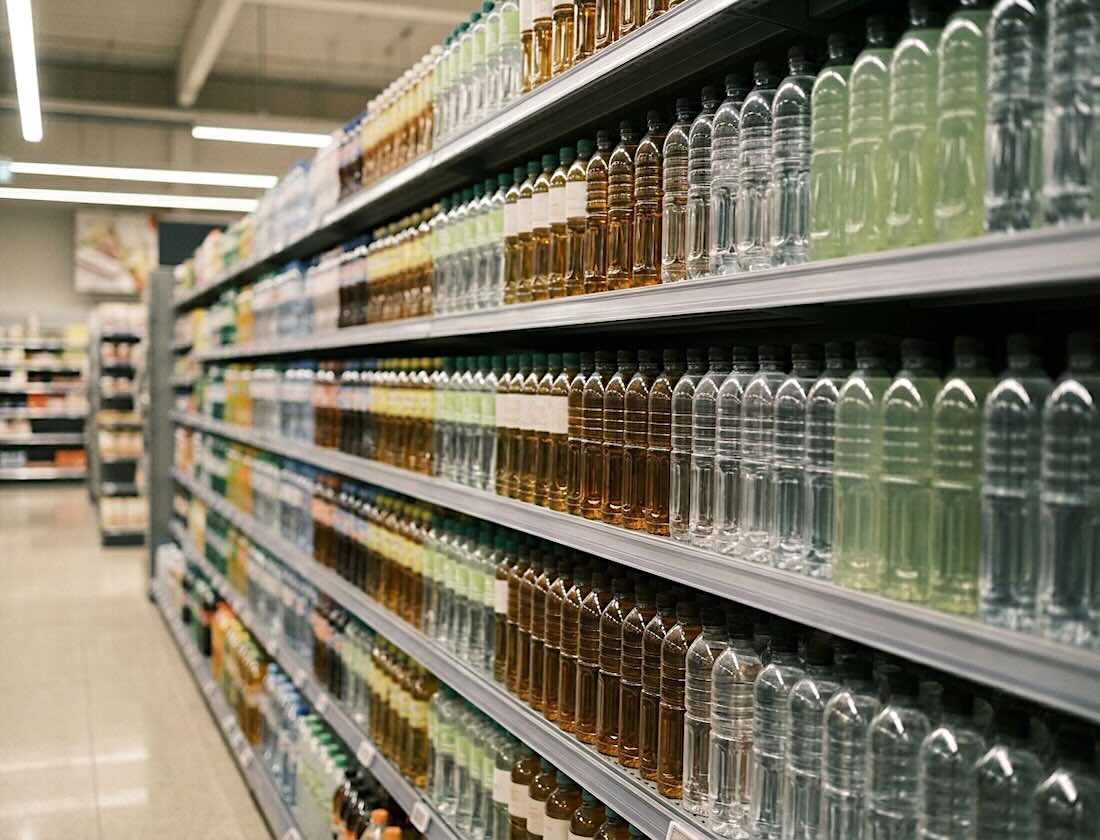
These days, concerns about plastics and microplastics are everywhere. Headlines warn us that plastics are the danger lurking in your kitchen utensils, or Netflix airs a documentary claiming microplastics lead to infertility. Health and Human Services Secretary RFK Jr. has ‘declared war’ on microplastics. [some emphasis, links added]
The conclusion many people draw is simple: less plastic must mean a healthier planet. But that conclusion does not actually follow from the evidence.
There is a growing gap between what the public is being told and what the scientific evidence actually shows.
Most people are savvy enough to know that they should not trust everything they read or watch.
While we are seeing some scientists raise the alarm on the incomplete science on microplastics, many news outlets continue to misconstrue, fail to critically question, or hyperbolize the results of scientific studies that associate any health conditions with microplastics.
Let us take a look at what decades of peer-reviewed studies say and compare that to what we are being told.
We are told that we are “drowning in plastic.” Yet plastic makes up about one percent of the materials we use and the waste we create.
Although we do use a significant amount of materials, to blame our overconsumption solely on plastic would be a stretch.
We are told there is an ocean-plastic emergency and that the oceans are “choking on plastic.” In actuality, the majority of the problem consists of abandoned fishing nets.
We have over 2,000 studies on plastics spanning 50 years. The science is clear that plastics are not the danger loud voices claim them to be.
Compounding this issue, a growing number of high-profile microplastics studies have been challenged by the scientific community due to problems such as sampling contamination, lack of proper controls, and unreliable detection methods that can misidentify biological materials as plastics.
Again and again, when we compare the narrative about plastic to independent peer-reviewed science, there is a significant gap.
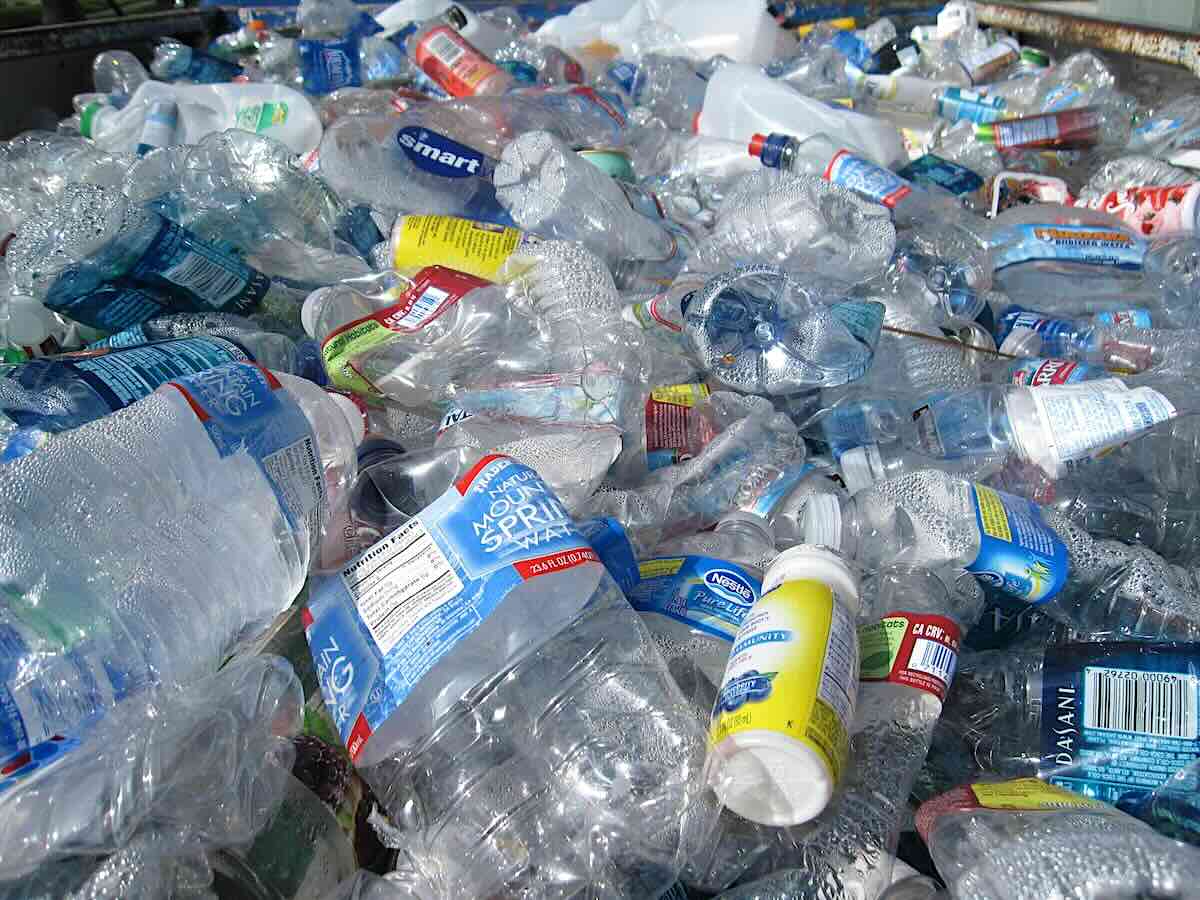
Lifecycle assessments, the standard tool for comparing materials, often show that replacing plastics with alternatives increases environmental impact. Across many applications, substitutes require far more material, use more energy to produce and transport, and generate higher greenhouse gas emissions.
On average, plastics have the lowest environmental impact in over 90% of applications. Replacing them means 3-4 times more waste, 3 times more greenhouse gases, more fossil fuel use, and more costs.
Alternatives to plastic, like paper, metal, and glass, mean using double the amount of fossil fuels. In fact, calculations show that the entire plastics industry may well be fossil fuel negative; even though 4% of fossil fuel is used to make plastics, more than 4% is saved by using plastics.
So why are we as a country pursuing policies to ban and tax the least expensive, most environmentally responsible option we have?
This counterproductive rhetoric has to stop. We shouldn’t be planning actions to protect and preserve our planet based on sound bites and headlines. Our environment and the children’s futures deserve better than that.
Instead, those who are currently shaping the conversation — our policymakers, community leaders, and most importantly, the media — must undertake a more concerted effort to connect with the professors, researchers, and scientists who have published numerous peer-reviewed studies. In other words: get your science from scientists, not clickbait.
Read more at RealClearEnergy