
NOAA got everything exactly backward with their winter forecast.
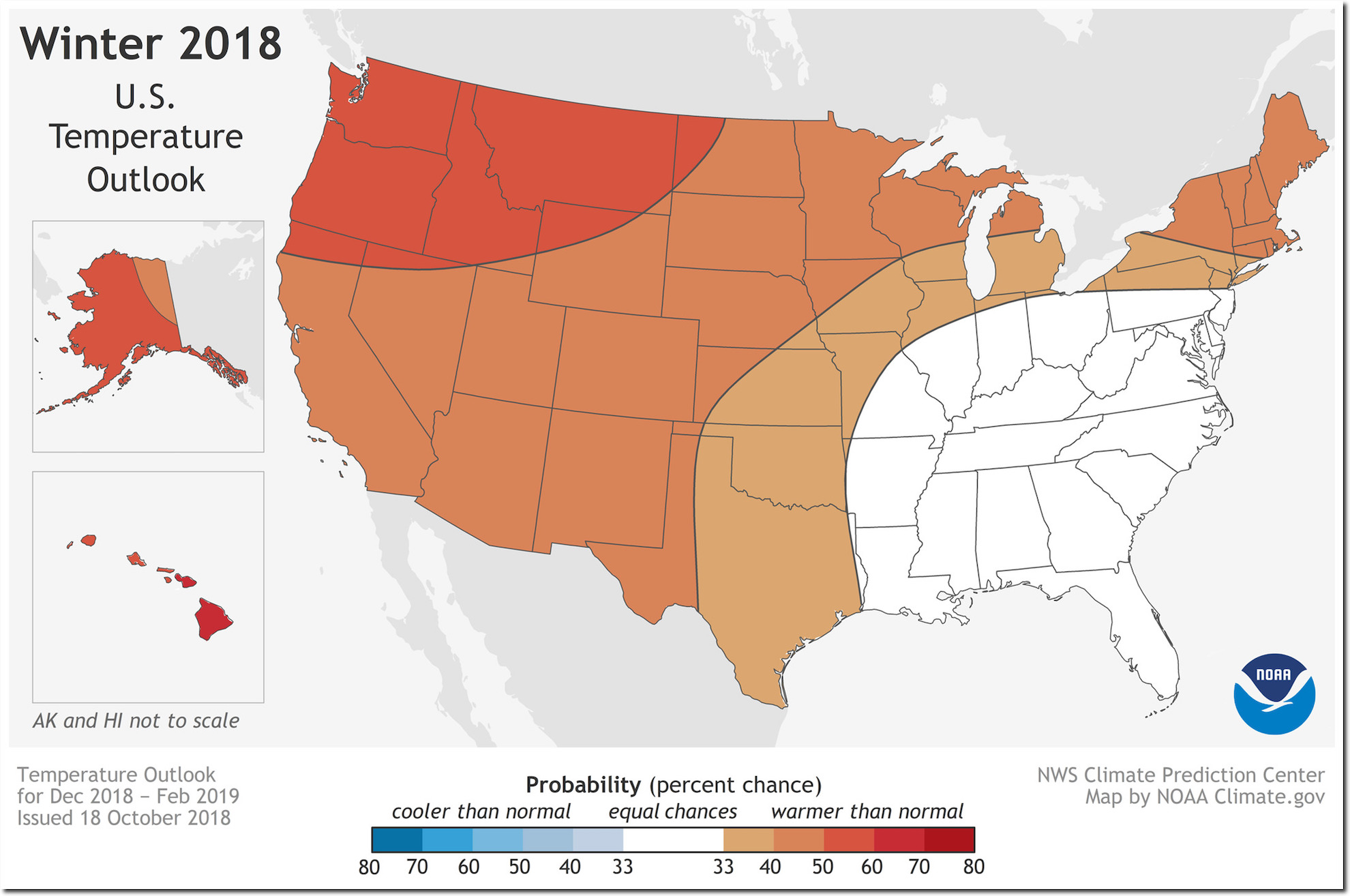
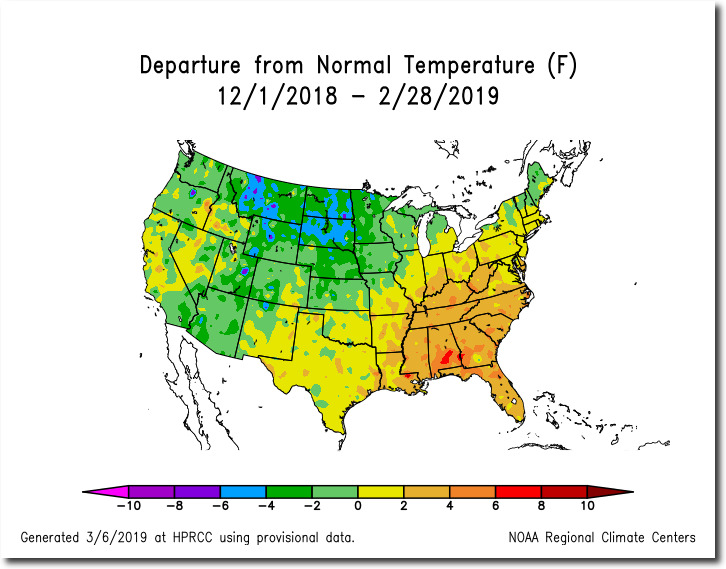
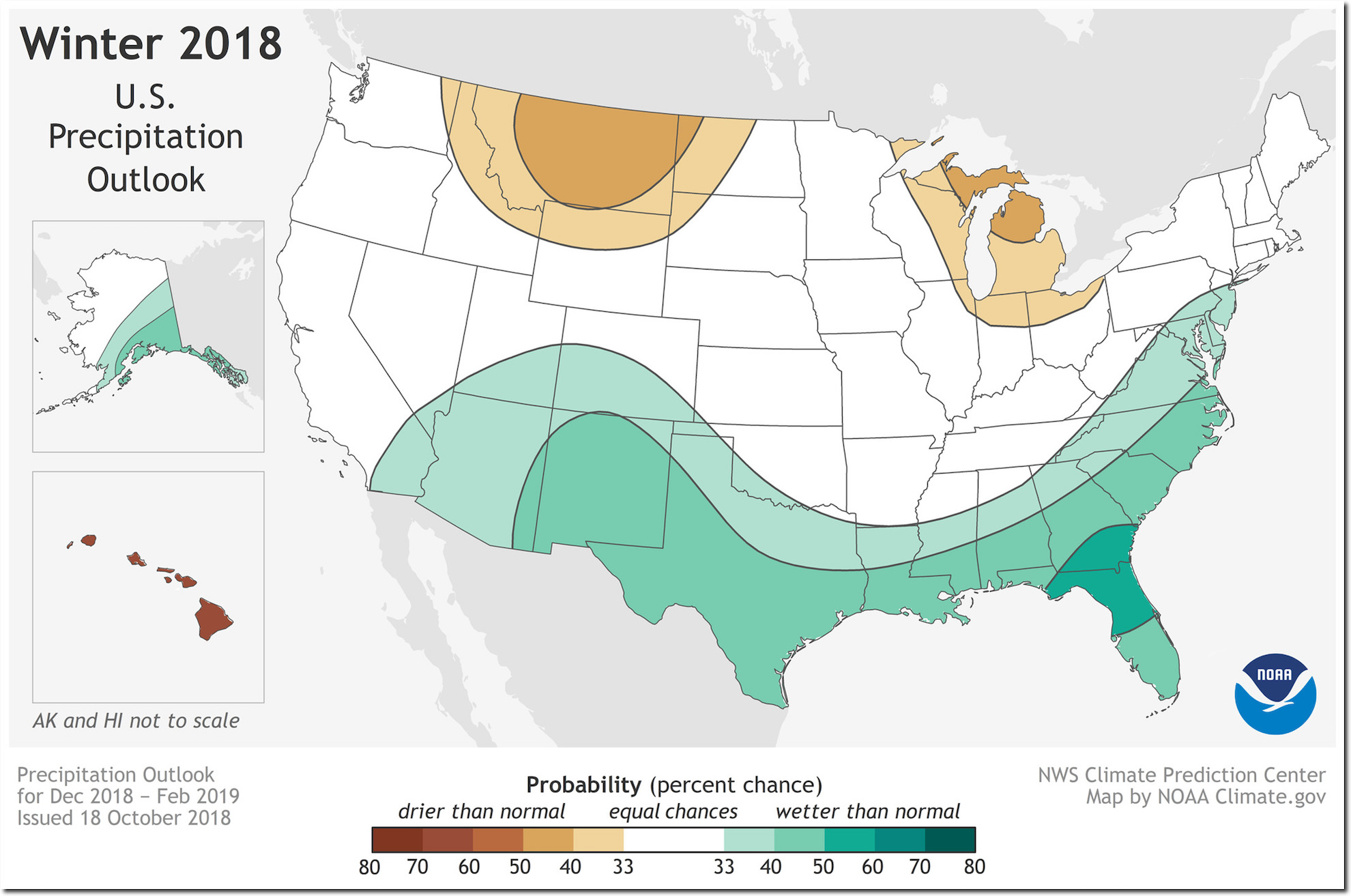
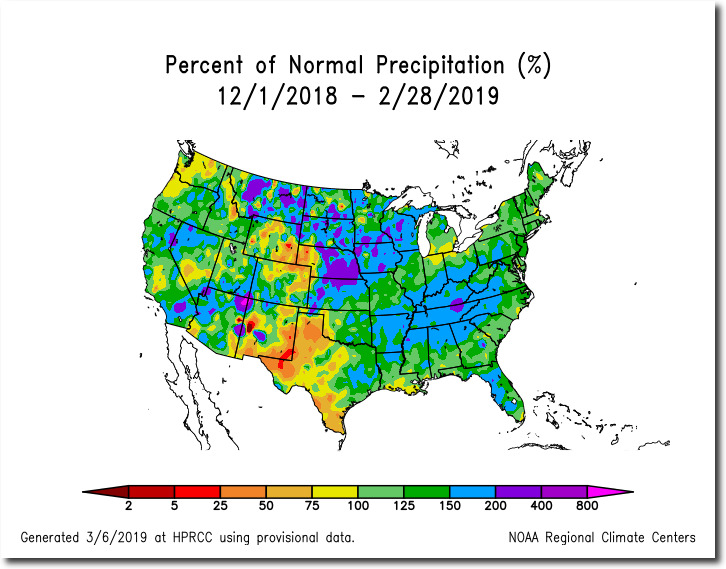
They can’t forecast three months out but are 97% certain about their forecast for 100 years from now. Because, settled science.
Read more at Real Climate Science

NOAA got everything exactly backward with their winter forecast.
They can’t forecast three months out but are 97% certain about their forecast for 100 years from now. Because, settled science.
Read more at Real Climate Science
 Another New Study Links Climate Change To Natural Cloud Cover Changes—Not CO2
 Electric Car Sales Keep Falling Despite Media Concocting ‘Great Comeback’
 Reno Gazette’s Desert Climate Scare Rests On Discarded Emissions Scenario
 UN Green Climate Fund Turns Foreign Aid Into A Bloated $20 Billion Racket
 NAS Pulls Key Climate Science Chapter From Website Amid Massive Backlash
 Flipping A Big Bird: NYT Applauds Sesame Street For Embracing Climate Cult
 California Leads The Nation In Power Outages As Wind And Solar Surge
 What’s Really Driving Rising Cooling Costs In U.S. Cities? It’s Not Climate Change
 Over 200 Rooftop Solar Panel Fires Reported As UK Installations Surge
 Senate GOP Moves To Unshackle America From California’s ‘Climate Zealots’
Have a suggestion? Let us know! We swap out books based on your input. We participate in the Amazon Services LLC Associates Program. See here.



Many years ago I bought an Old Farmer’s Almanac. It read like a Horoscope. It’s in a box, somewhere. The only reason anyone makes far range predictions is because there’s an audience for them.
I don’t pay much attention to the last 4 days of a 7 day forecast.
In hindsight, this past winter proves that carbon dioxide is a meteorological pip-squeak. It is not a greenhouse heat wrap. PPM is going up but we’re in a cooling trend.
I will give NOAA credit for making a prediction. Whether the prediction was right or wrong can be seen after the season is over. Many climate “experts” wait until after the season is over, then say “This was exactly what the models predicted” Whether it was colder, hotter, more snow, less snow or whatever, the line is the same – after the season has happened, but not before it.
Well, they only missed it by “that much!” If you added in the snow falls in the Colorado Rockies since March 1 Colorado would be more to the right on the precipitation scale. Our snowpack is over 130% of average with every region well over 100%, first time all areas are doing well in many years.