Instability in the Middle East has disrupted oil and gas flows to India. However, India’s proposed plan to produce 30% ethanol-blended gasoline and diesel in response to supply anxiety would be a costly error. [some emphasis, links added]
To understand the pending disaster, you only need to look at the United States.
Failed American Corn-Ethanol
For decades, the American government heavily subsidized and mandated corn ethanol in motor fuels. The National Center for Energy Analytics recently published a comprehensive autopsy of this experiment. The findings are devastating.
Washington’s aggressive push for biofuels destroyed millions of acres of pristine land. Farmers, incentivized by the government, plowed under native grasslands, drained wetlands, and converted fallow conservation acreage into intensive cultivation.
Land was diverted from feeding people to filling fuel tanks.
Moreover, the supposedly harmful greenhouse gas emissions that ethanol usage was to reduce are now shown to increase when the entire lifecycle of land use and production inputs is taken into account.
And the promised energy independence? A mirage. Americans paid for environmental destruction and higher food bills to benefit the pockets of the politically connected, all while exporting their high-quality fuels.
Bigger Failure Awaits Indian Sugarcane Ethanol
If the American corn ethanol experiment was a failure, Indian ethanol made from sugarcane will be a catastrophe.
Sugarcane requires lots of water, consuming over a long growing season up to two-thirds of a gallon per plant—more than double the amount required to grow the corn that American production uses.
For fuel extraction, the water requirements for ethanol from Brazilian sugarcane are 647 gallons of water for each gallon of ethanol produced. In the United States, that number climbs to 733 gallons. In India, the demand is even higher—791 gallons.
India already faces a severe water deficiency. When the monsoons fail to produce sufficient seasonal rains for the crucial Indus and Ganges river basins, harvests suffer, and cities ration drinking water.
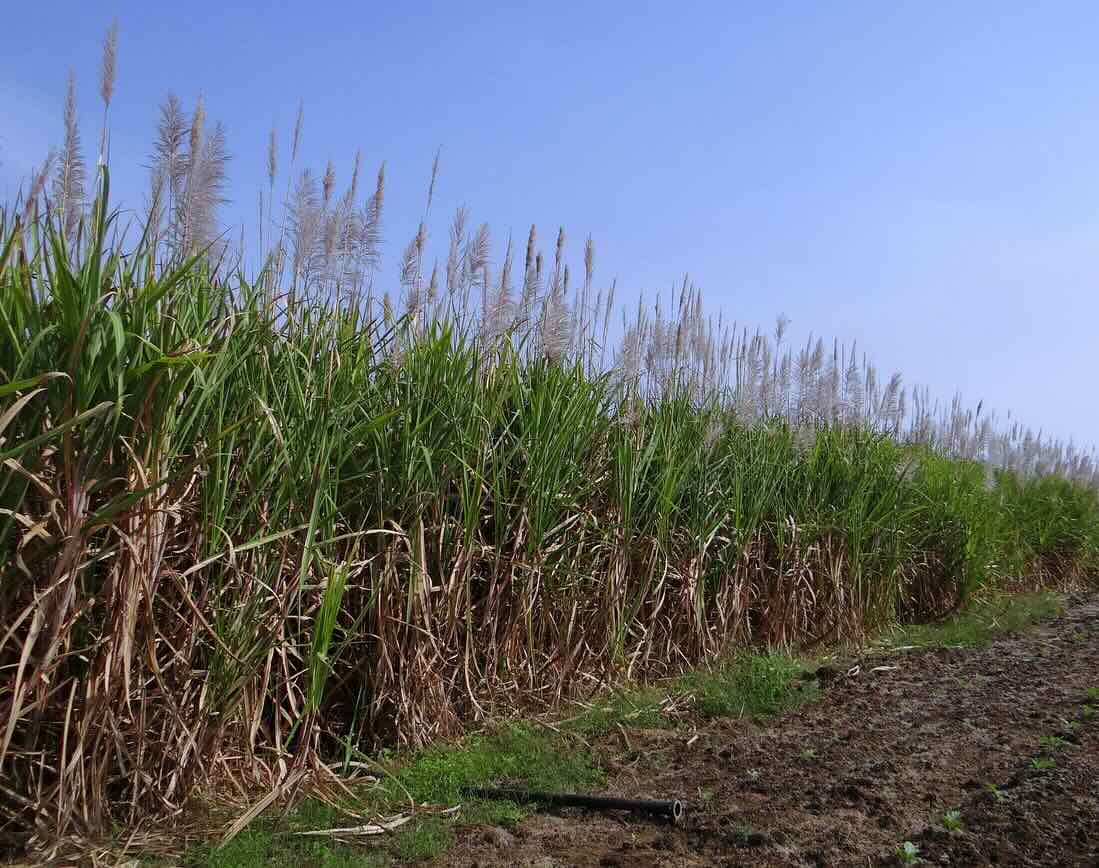
Mandated increases in sugarcane production for fuel can only exacerbate water shortages. Switching from sugarcane to rice, corn, or wheat to meet ethanol quotas offers no relief from greater water demands.
The ultimate metric for analyzing any energy source is the comparison of how much energy is produced to the amount of energy required to produce it. Ethanol’s score is abysmal compared to gasoline and diesel, which are distilled from energy-dense crude oil.
Agricultural production is energy-intensive, requiring tractors, irrigation pumps, the manufacture of artificial fertilizers, and the distilling of alcohol. By the time ethanol is pumped into a fuel tank, the output may even fall short of the inputs.
“Producing one gallon of ethanol may well take more energy than the end product contains,” according to the Texas Public Policy Institute. “With fertilizer, water, an energy-intensive fermentation process, and transportation necessarily by rail or truck instead of an existing pipeline, ethanol production utilizes much more energy than crude oil to reach the pump.”
Free India From Climate Chains
All that extra work to produce ethanol increases the emissions of carbon dioxide (CO2) and other greenhouse gases that climate alarmists insist are so dangerous, making the charade of this biofuel even more ridiculous.
Besides, we know that there is no impending climate crisis. In July 2025, the U.S. Department of Energy released an analysis of the effects of greenhouse gas emissions, confirming that there is no existential threat from the weather.
Far from being a pollutant, CO2 at higher atmospheric levels delivers massive benefits to humanity.
CO2 is plant food. Satellite data confirm India’s forests are expanding. Its agricultural production is breaking records. The enriched atmosphere allows crops to use water more efficiently, yielding more food.
To climb the economic ladder, India cannot afford to play games with the energy needs of 1.4 billion people. If the Middle East can no longer supply India’s needs, retreating into the dark ages of burning biomass is not the answer.
Instead of pouring billions into government mandates, India should drastically increase purchases of American natural gas to bypass the geopolitical instability of the Middle East.
The U.S. possesses vast reserves of this energy-dense fuel to power industry, make fertilizers that sustain crop yields, and reliably generate electricity.
It is time to abandon the ethanol illusion and secure the energy India needs to thrive.
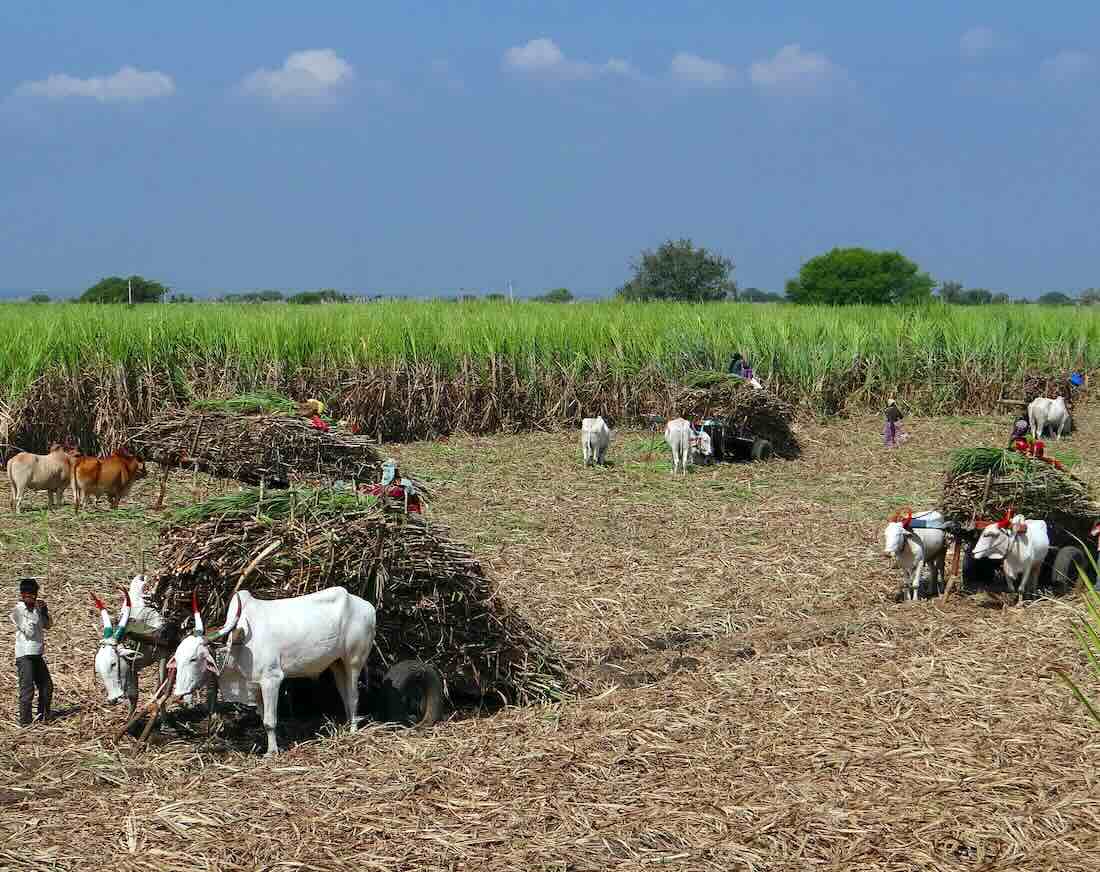
Top: Indians harvest sugarcane fields. Image by Bishnu Sarangi from Pixabay
Read more at CO2 Coalition