

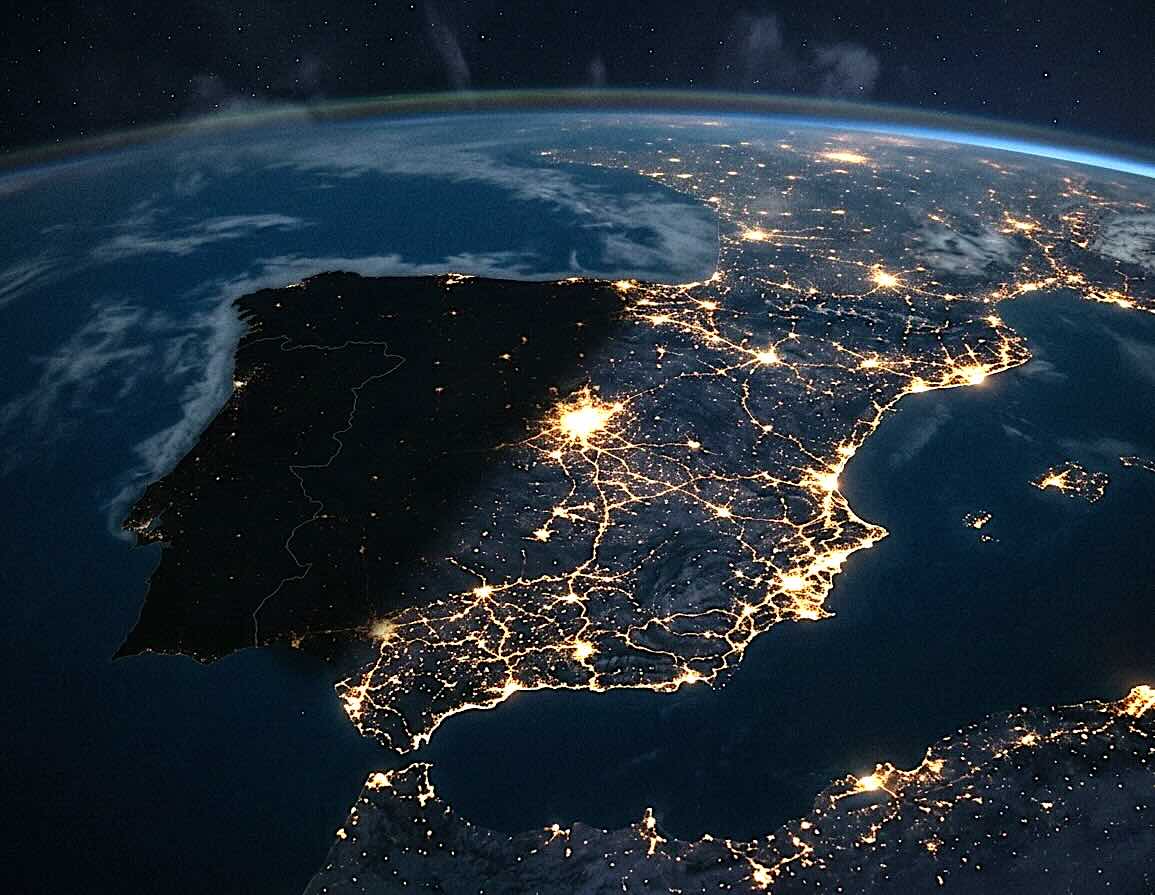
It has now been a year since Spain and Portugal experienced the worst blackout in recent European history, with both countries and the whole peninsula without any power for a whole day, and no person or institution being held accountable for the events despite numerous investigations and reports into the matter. [some emphasis, links added]
The incident occurred on April 29, 2025, leaving over 50 million people without power across the Iberian Peninsula.
At the time, Spain’s national power grid operator Red Eléctrica (RE) initially attributed the malfunction to a “problem” with the nation’s solar power infrastructure, which at the time supplied 70 percent of Spain’s national demand as part of the socialist government’s “green” energy pursuits.
At least five individuals reportedly died as a direct consequence of the blackout during its first hours.
After the incident, Spain went onto utilizing more nuclear and natural gas as energy sources to bolster the resilience of the grid, in spite of their previous push to decarbonize and denuclearize.
The Spanish newspaper El Mundo recounted this week that, last year, socialist Prime Minister Pedro Sánchez promised to determine the causes of the blackout and identify any individuals responsible, claiming at the time that there was no conclusive data to attribute any kind of responsibility to anyone.
A year later, El Mundo pointed out, this pledge has not been kept, and no politician or businessman has taken responsibility, never mind resign, over the blackout.
Official reports by the European Network of Transmission System Operators for Electricity (ENTSO-E), the Spanish government’s Analysis Committee, and Spain’s National Commission on Markets and Competition (CNMC) all reportedly state that the blackout was caused by a “runaway and rapid surge in voltage throughout the entire electrical system.”
El Mundo pointed out that none of the three reports identifies any culprits or establishes correlations between the events and causes that “everyone has interpreted as they see fit.”
The report affirmed that these investigations state the Spanish power grid had all the right tools to prevent the blackout, but all the measures taken by RE to mitigate frequency fluctuations hastened the rise in overvoltage that ultimately brought the system down.
The outlet Europapress detailed that ENTSO-E, in its final report into the blackout, published last month, described the outage as an “unprecedented event” and the largest of its kind in Europe in decades, and concluded that it did not have “a single cause but was the result of a combination of several factors.”
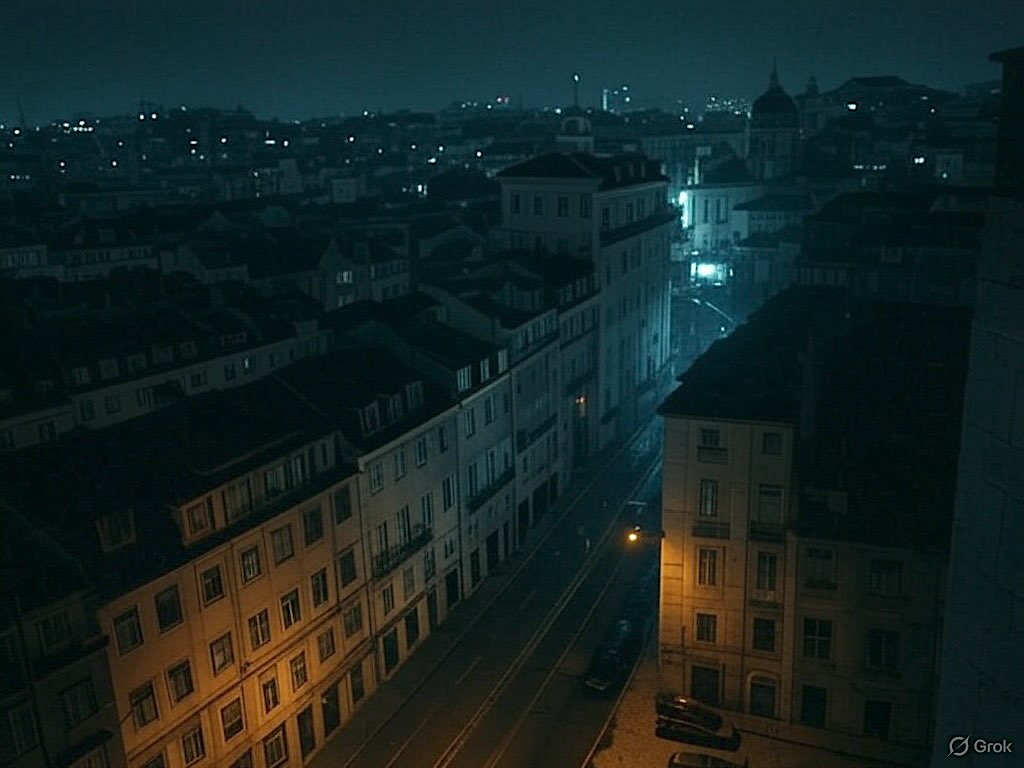
Both El Mundo and Europaress noted that the CNMC, as Spain’s energy oversight institution, has limited itself to opening some 55 disciplinary proceedings against private energy companies for alleged violations, none of which can actually provide any clarification on the causes of the blackout.
The proceedings may take another year to determine if any fines are to be imposed upon the companies.
After the blackout, authorities in neighbouring Portugal established a working group to assess the state of the nation’s power grid and to identify risks and vulnerabilities.
Portuguese public broadcaster RTP reports that the group released a report on the eve of the one-year anniversary with a list of logistical and technical recommendations to bolster the nation’s grid, allow for rapid responses to disruptions, and prevent a new blackout.
Most notably, the group called for removing the formal involvement of the Portuguese parliament in the grid planning process because the lawmakers approve said plans three or four years after their presentation, at which point they are “partially obsolete.”
In a separate report, RTP detailed that, since January, Portugal now counts four power plants equipped with autonomous ‘black start’ grid restoration capabilities, allowing the plants to restart operations within three minutes in the event of a complete shutdown. Only two power plants in Portugal had said capabilities by the time the 2025 blackout occurred.
The first anniversary of the blackout comes at a particularly complex time for Europe’s power generation and grid security.
In Germany, which shut down its entire array of nuclear power plants, a majority of its population finds its closure to be a “mistake,” a sentiment that appears to be shared by the European Commission’s chief, Ursula von der Leyen, who in March described Europe’s decision to steer away from nuclear and dismantle such plants as a “strategic mistake.”
Read rest at Breitbart







The investigation concluded there was no single cause, but rather 17 interacting factors that created a “perfect storm,” ultimately resulting in the loss of over 15 gigawatts of electricity in seconds.
this was caused by everybody working on the grid not just one person or one group