The Trump Environmental Protection Agency plans to propose permanently repealing federal regulations on power plants’ greenhouse gas emissions, asserting that such rules have “virtually no benefit,” the Washington Free Beacon has learned. [some emphasis, links added]
In tandem with that proposal, the agency is finalizing plans to gut other Biden-era climate rules that forced existing coal-fired plants to close and stymied future gas plant development.
Together, the moves represent a historic action that the EPA says is the largest power sector deregulatory action in U.S. history. According to the agency’s data, axing Biden-era regulations will save Americans $310 billion.
The other action—eliminating every remaining greenhouse gas-related power plant regulation—will save companies $370 million in direct compliance costs and is expected to lead to significant downstream savings in power bills both for businesses and households.
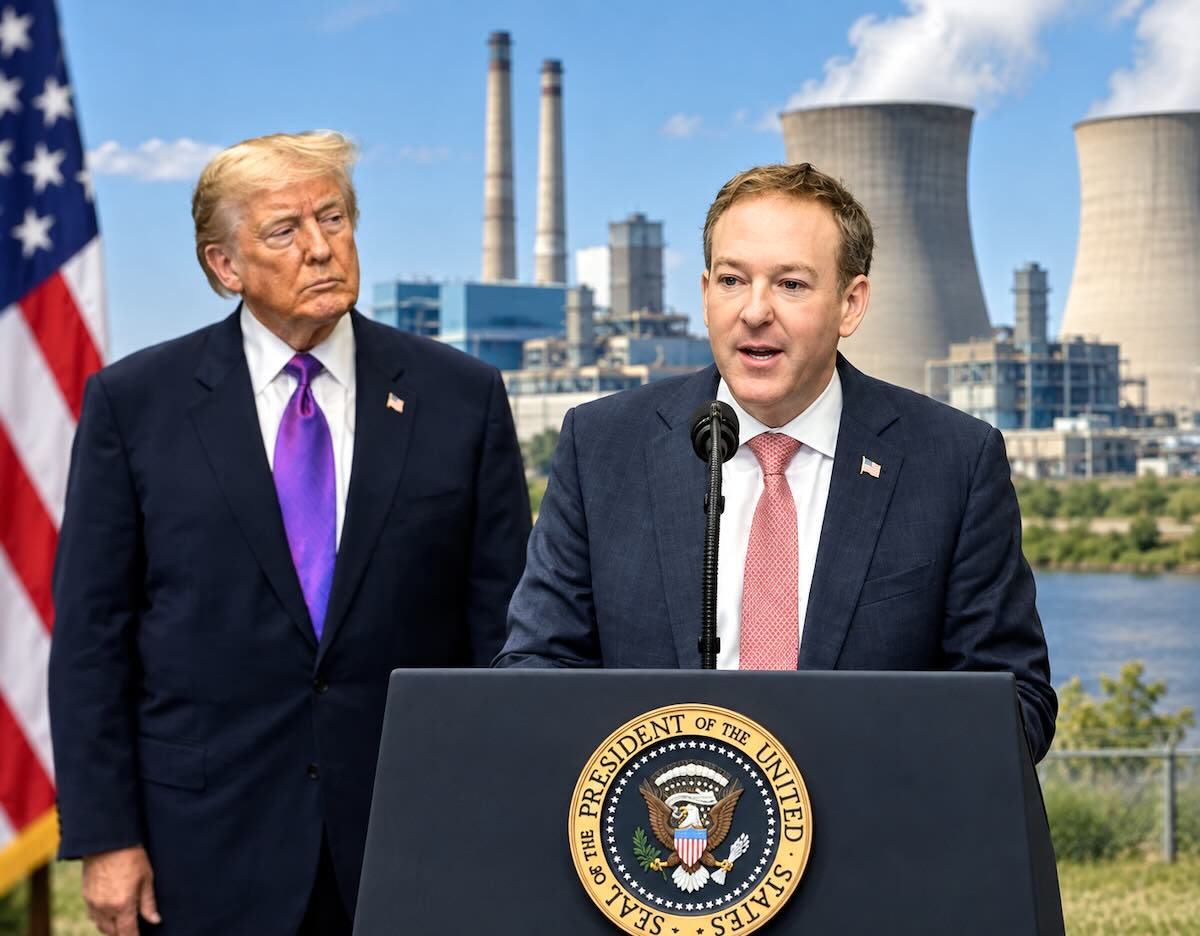
“The Trump administration has come in to protect American energy and to make sure you can afford to keep the lights on,” EPA administrator Lee Zeldin said in a statement to the Free Beacon. “Americans will see a decrease in electricity prices, but this is just the beginning. We are working to go even further so that American energy can be fully unleashed.”
Zeldin is slated to announce the actions at the G20 Energy Abundance Ministerial in Houston later Monday alongside Energy Secretary Chris Wright and Interior Secretary Doug Burgum.
The EPA’s actions are expected to immediately extend the lifespan of existing coal-fired plants, shielding them from forced early shutdowns, and pave the way for developers nationwide to build new gas-fired plants more easily.
That could help meet growing electricity demand and, in turn, drive down energy prices.
That makes it one of the most significant actions the Trump administration has taken in its fight to lower electric bills, increase American energy capacity, and assert what administration officials call “energy dominance.”
It also represents a complete reversal of the Biden administration’s aggressive climate agenda—much of which was carried out unilaterally by executive orders—which Republicans have long complained raised costs and reduced capacity without tangible benefits.
Indeed, the move is a stunning defeat for Democrats and environmental activists who have made curbing greenhouse gas emissions from power plants a central pillar of their sweeping climate agenda.
The power sector is the largest industrial source of greenhouse gas emissions, which activists say are causing potentially catastrophic global warming.
The Trump EPA is expected to assert in its new proposal that it lacks the legal authority to regulate power plant greenhouse gas emissions based on climate change theories and that those emissions “have no material impact on global climate change.”
“The targeted emissions are global in nature, and any potential public health harms are too uncertain, conjectural, remote, and convoluted to tie specifically to the U.S. power sector,” the EPA added. “Therefore, the agency is proposing it is out of its scope to regulate.”
That reasoning echoes the agency’s February 2026 action establishing that greenhouse gas emissions from gas-powered vehicles don’t endanger public health.
Perhaps there is no better example of the EPA regulating power plants’ greenhouse gas emissions than the Biden-era crackdown—which Trump likened to a “regulatory jihad to shut down power plants all across America.”
The Biden EPA finalized those rules in 2024 and made them a key part of its broader climate agenda. At the time, the Biden administration boasted it would reduce the nation’s greenhouse gas emissions by 617 million metric tons through 2042 and save Americans money in health costs.
To do that, the now-eliminated plan forced power plant operators to adopt costly carbon capture technology or shut down (such technology hasn’t been deployed at scale and has faced considerable criticism from the power industry).
Under the rules, existing coal power plants would have had to capture 90 percent of their emissions by 2032 to operate beyond 2039, and planned gas plants would have had to incorporate the expensive technology.
Top: Official White House Photo by Daniel Torok / Background digitally added.
Read rest at Free Beacon