A recent article in the Chicago Sun-Times (CST) claims that “Climate change is fueling a surge in Illinois home insurance premiums,” citing increases in severe weather. [some emphasis, links added]
This is false. Severe weather is not getting worse in Illinois, so it cannot be the driver for insurance costs. Other factors, such as rising home values and inflation, are driving insurance rates higher.
The article is sponsored by the environment-focused media group Grist, so there is already an incentive to inflate the climate angle and downplay the more important reasons why insurance costs are rising in already-expensive Illinois.
Those other reasons are briefly mentioned in the post: “the value of a home, the cost of the materials needed to rebuild it, and even the credit scores of the homeowner,” all of which affect insurance costs, but the CST insists that, really, climate change is the main problem.
The CST post says that “Illinois home insurance premiums are going up, and climate change-powered severe weather is in part to blame.” Later in the article, it specifies hail and flooding as specific weather events that are damaging homes in the state.

The flooding issue is addressed within the article itself, with the CST writer saying that neighborhood developers “are also building homes in flood-prone areas, adding to rising premiums.”
Right, if a home is built in an area that FEMA has already designated as a flood zone, insurance costs will be higher.
That is not the fault of climate change; it is the fault of developers and of people willing to take the risk and buy those homes. Flood zones change naturally over time; it has nothing to do with climate change.
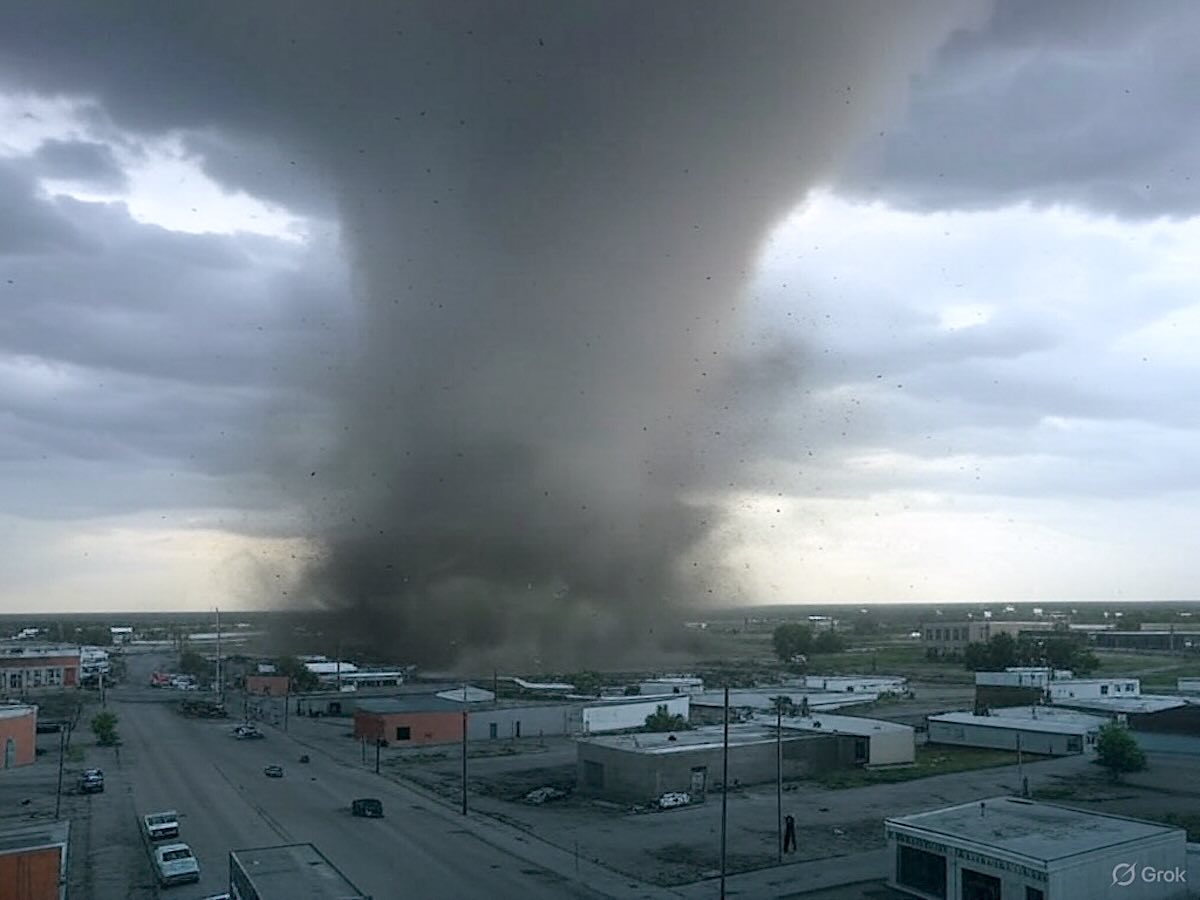
The other major extreme weather the post points toward, hailstorms, are most definitely not getting worse, according to weather data.
As discussed in a previous Climate Realism post on the issue of hail in Illinois, weather data show that hail occurrence has actually been declining on average since highs around 2006, but overall shows no long-term trend at all. (See figure below)

Despite the available weather data showing that extreme weather is not getting worse, CST says that State Farm and Allstate “pointed to extreme weather as driving up costs.”
Rising insured losses aren’t evidence that extreme weather is worsening, but they do reflect that home values are increasing, and inflation, which affects the cost of homes and the materials needed for repairs, is also rising.
It is convenient for insurance companies and state governments to blame climate change, a nebulous thing outside their control, for premium hikes.
Climate Realism has posted dozens of posts showing why climate change is not responsible for rising insurance rates or dropped coverage in various parts of the country, and Illinois is no exception.
The Chicago Sun-Times allied with Grist to promote climate alarmism at the expense of truth, and in the process shielded insurance companies from blowback for rising insurance rates and urban planners for allowing building in unsuitable areas.
In a roundabout way, CST and Grist blame Illinois residents for their own suffering. If only people would stop driving cars that use gasoline and diesel, and stop demanding reliable electricity from coal, natural gas, and nuclear, then maybe insurance wouldn’t be so high!
It is simple fearmongering to coerce people into supporting climate restrictions that Grist and other activists have long pushed for.
Read more at Climate Realism